

Blog
Renaissance Eye Care Blog
Learn more about eye care care in our blog!
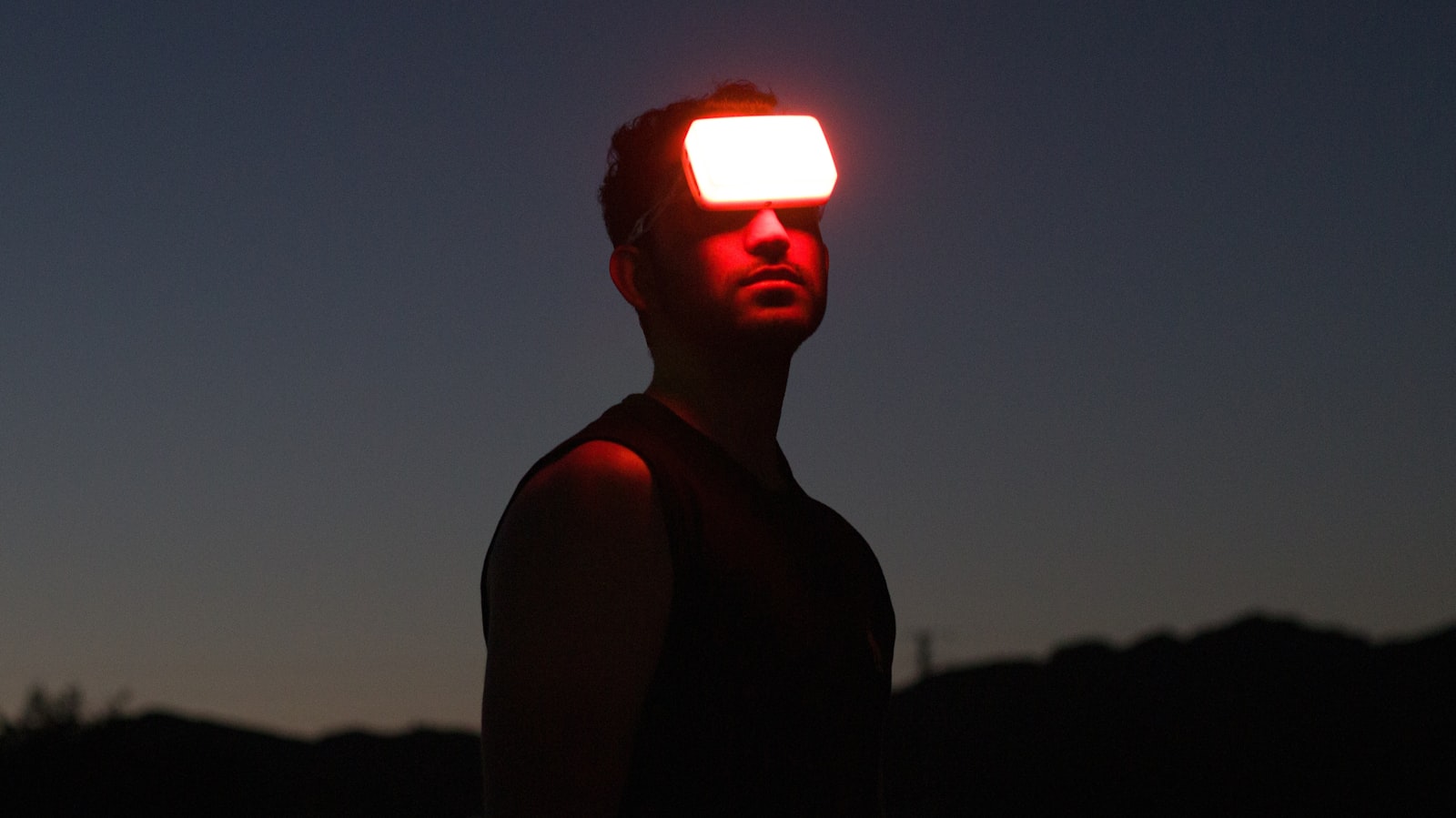
Sleep deprivation hits the body and mind a lot like alcohol, but how does it affect our eyes? Getting enough sleep is great for our overall health and our eye health alike. At the other end of things, we can improve the quality of our sleep if we are more careful about what we put in front of our...
44% of all eye injuries happen at home, but 90% of eye injuries are preventable! We prevent them by taking simple precautionary measures such as wearing protective gear when we’re working with harmful chemicals or power tools, as well as by minimizing any unnecessary hazards we might have aroun...
Our eyesight, among many other things, tends to change as we get older. For any serious changes, it’s critical to get an early diagnosis. Many sight-threatening conditions that are associated with advancing age are combatted best by being discovered in the early stages. That’s the biggest we ...
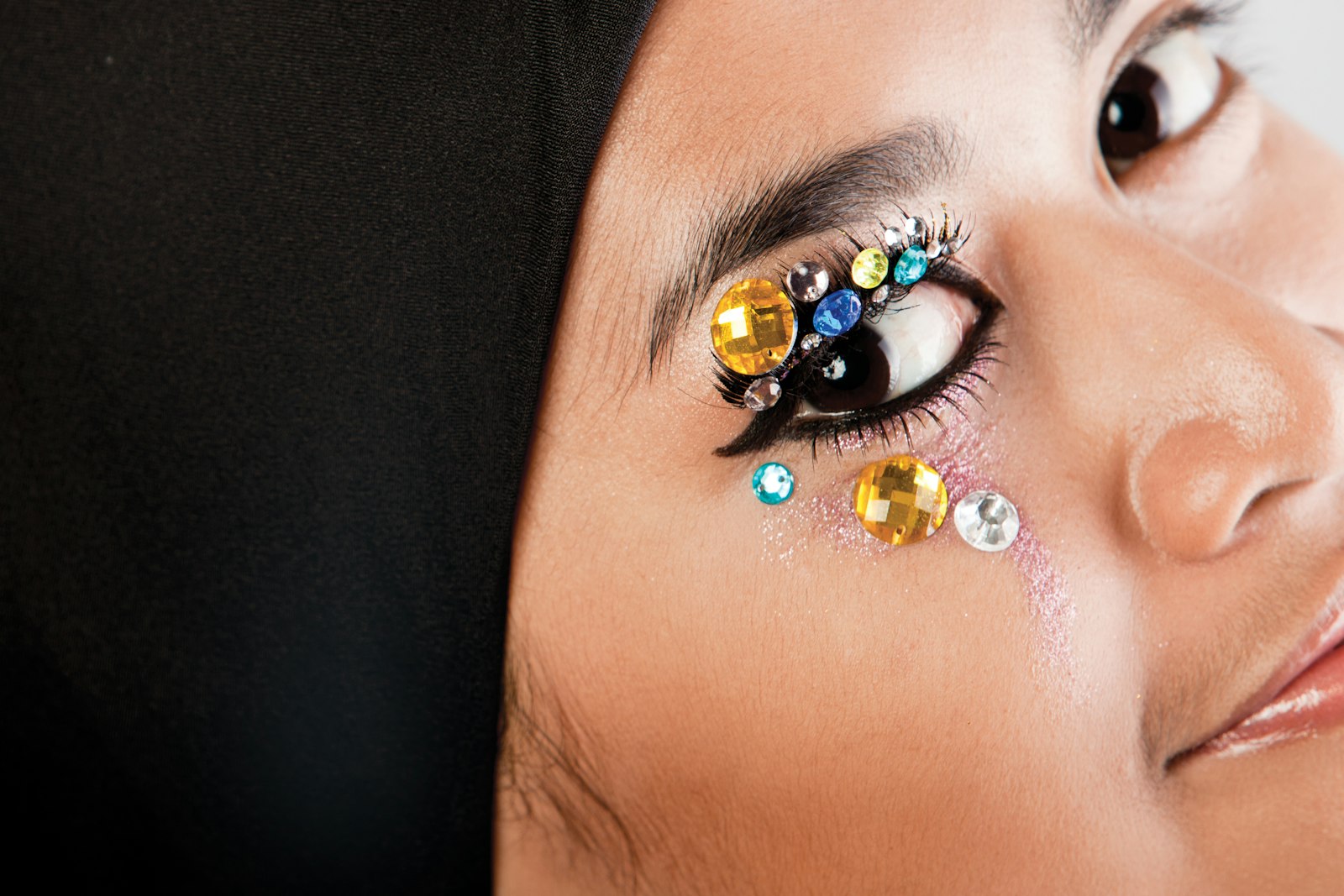
Costume contact lenses are often a cool and spooky way to upgrade a Halloween costume or cosplay outfit. Unlike the rest of the costume, however, these contact lenses are medical devices. We should always take special care to buy safe ones that fit correctly. Follow these tips from the optometris...
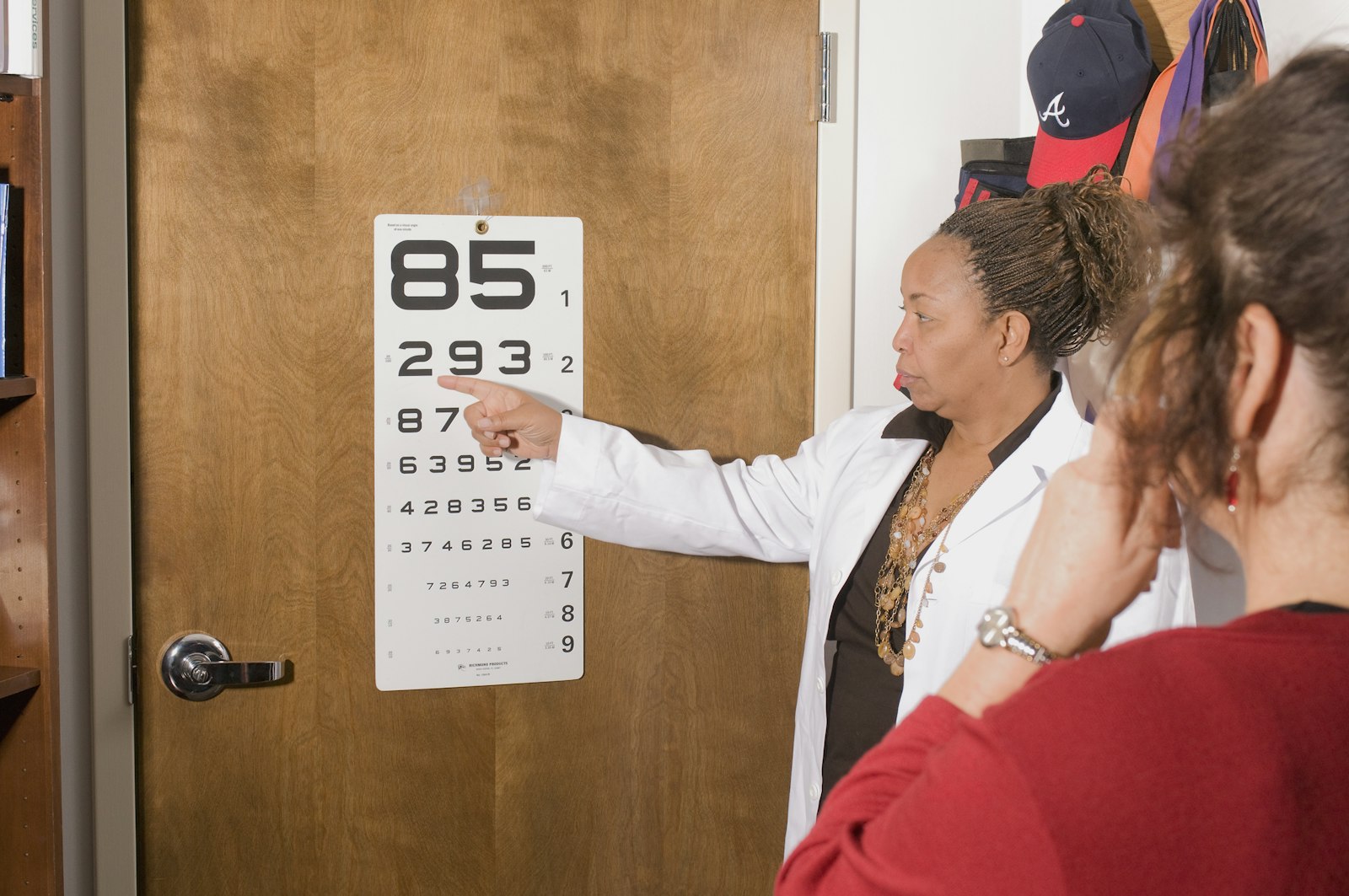
Most dentists will recommend a cleaning and dental exam twice a year, but how often do we need our eyes checked? It’s as important to get preventative care for our eyes as for our teeth, and that means getting eye exams when we don’t need an updated prescription for our glasses or contact len...
The saying “beauty is pain” shouldn’t be true when it comes to eye makeup. Makeup might not be made of lead, arsenic, and mercury like it was in centuries past, but we should still be careful with it around our eyes. Even modern makeup made of the safest ingredients can increase our risk of...
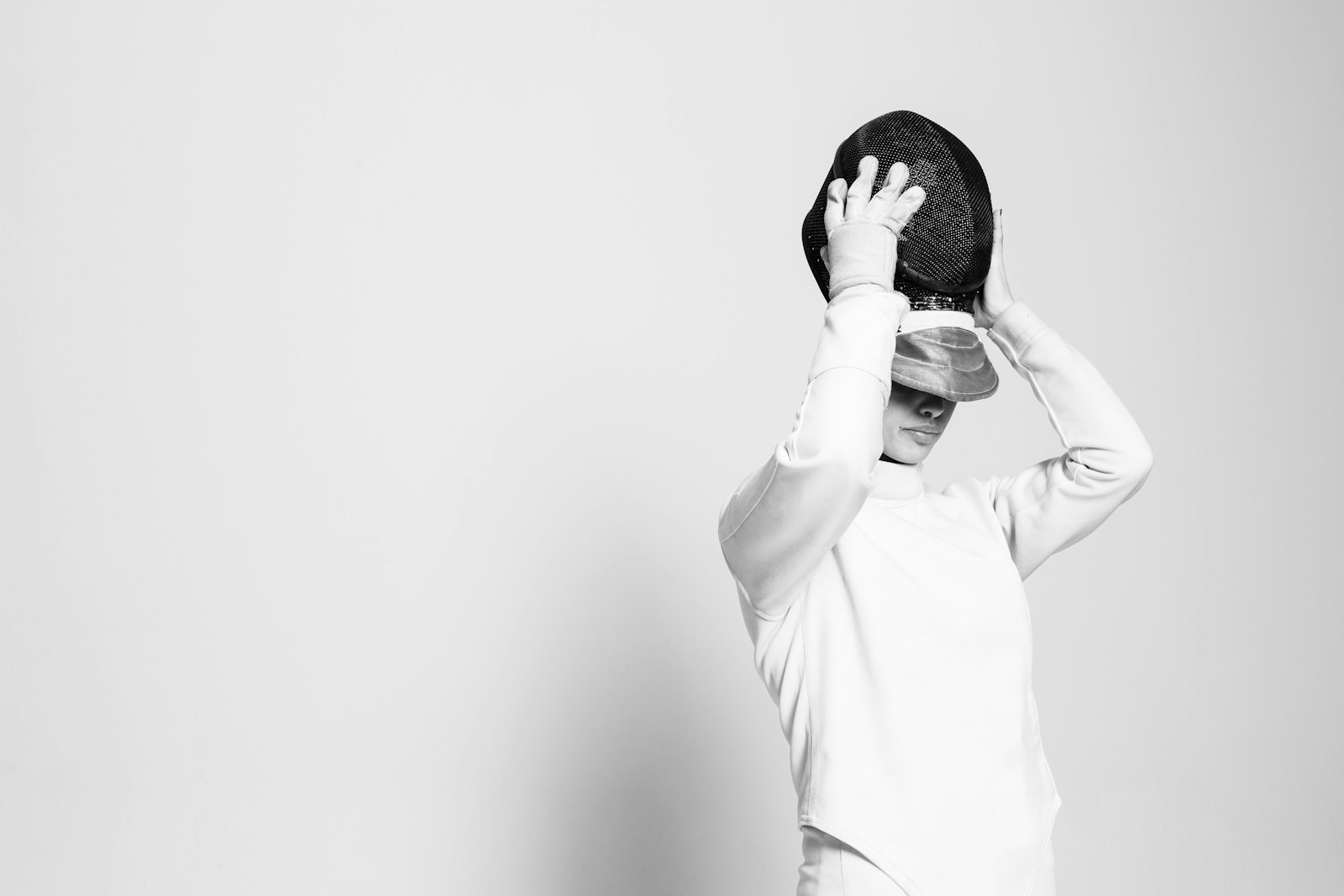
Wearing the right eye protection can prevent an estimated 90% of eye injuries. In the US alone, that one simple precaution would prevent 27,000 out of the 30,000 yearly sports-related eye injuries. Eye protection isn’t only for welders or construction workers; it can be life-changing for athlet...

Human eyes are amazing, but there are some eyes in the animal kingdom that are pretty impressive too. Let’s look at a few of the most powerful eyes in nature and find out what makes them work so differently from the way ours do. The Main Similarities and Differences The main thing all eyes have...
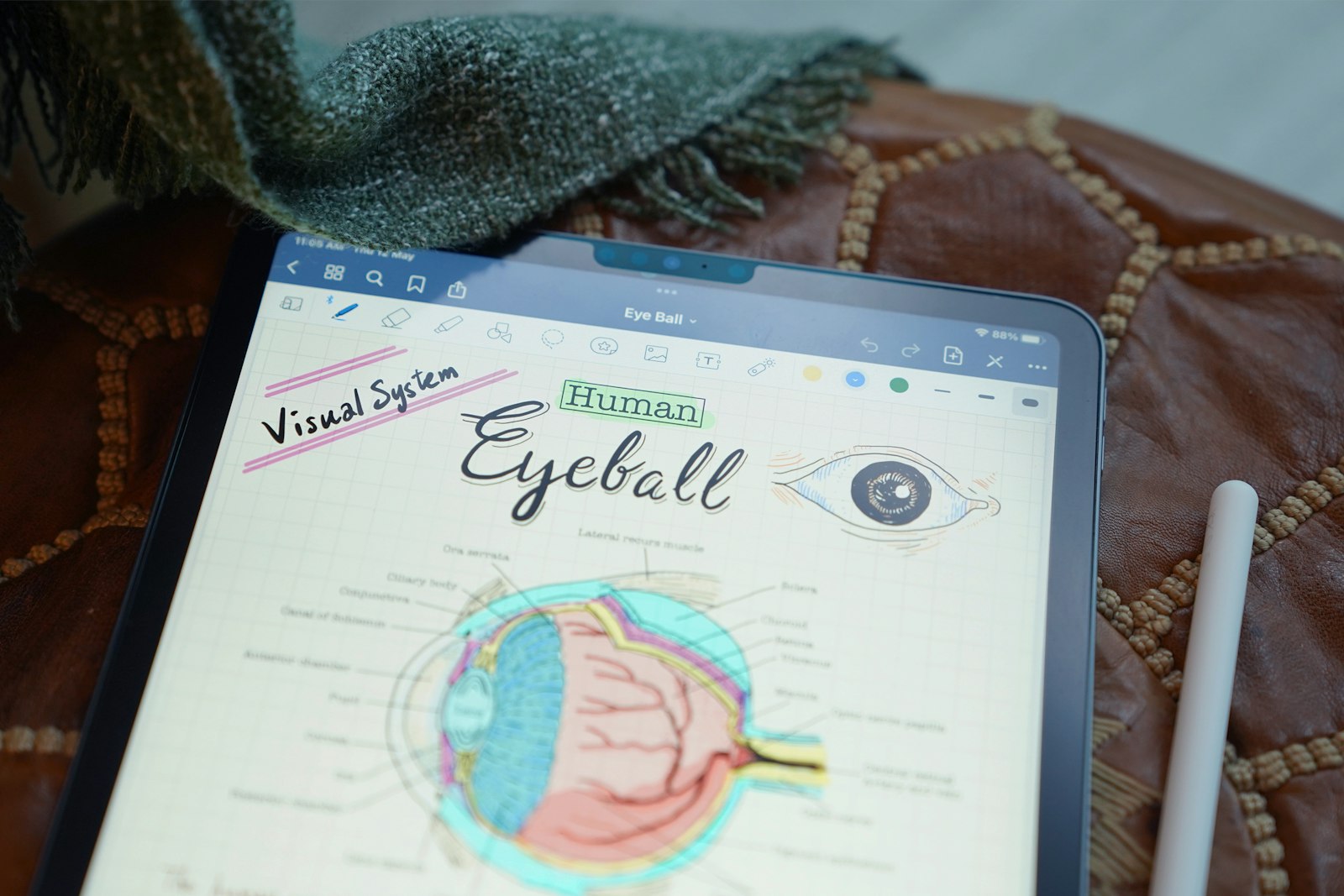
How much of your day do you spend looking at a screen? Whether it’s your work computer, a tablet, or your smartphone, odds are if you’re living in the modern world, you’re probably spending a big chunk of your day with your eyes fixed on a bright screen. Unfortunately, digital eye strain is...
Eyesight is one of many things that changes as we age. Age is the biggest risk factor for many chronic or sight-threatening eye conditions, which is why it’s so important to be informed and able to recognize the signs of age-related vision loss. It’s also important to know what we can do to k...
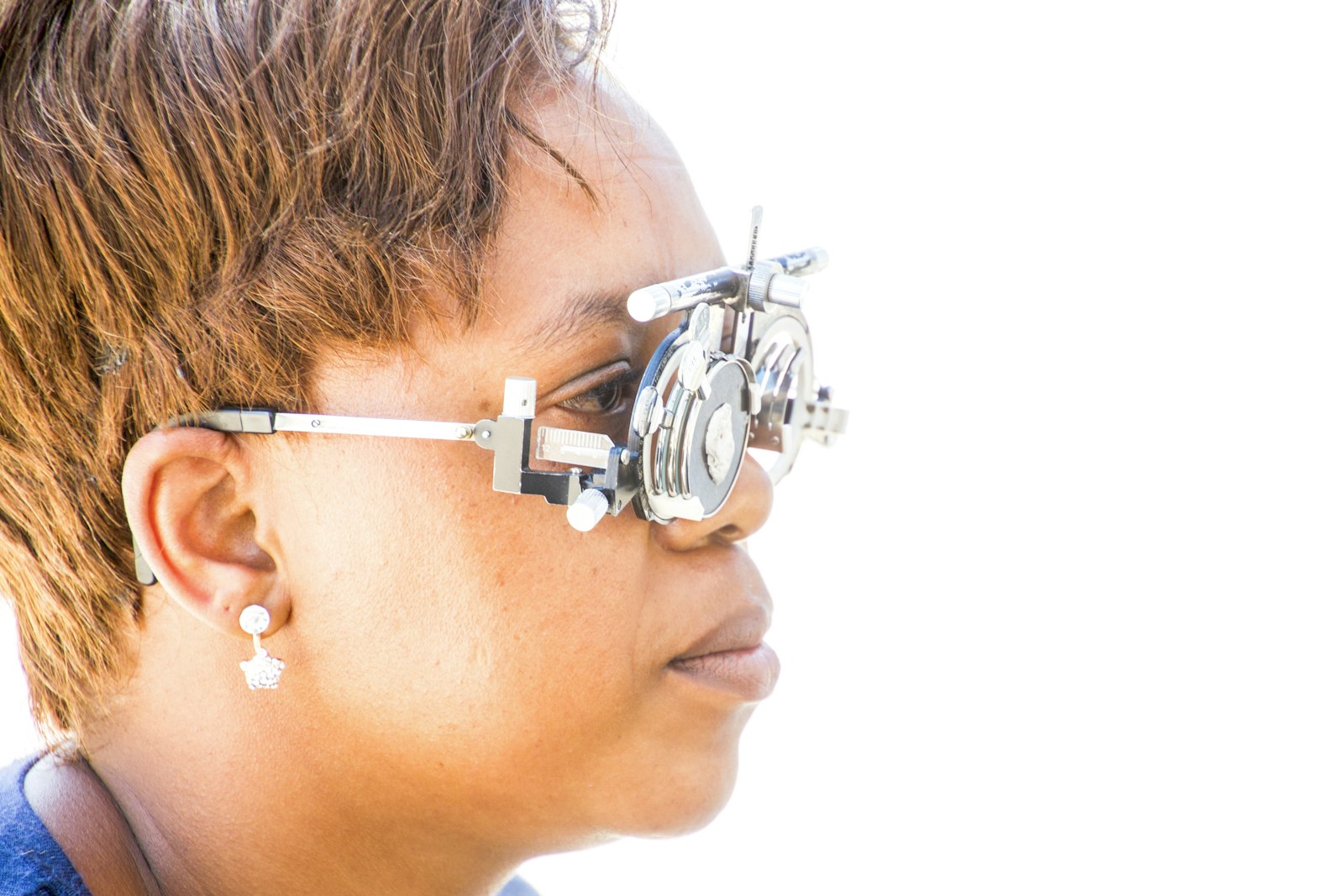
Name five things you would expect to find in every school nurse’s office. Was the big E eye chart on your list? That’s the Snellen chart, named after Herman Snellen, a 19th-century Dutch eye doctor who developed it, and it’s a great diagnostic tool for catching nearsightedness. Unfortunatel...
Have you ever had pink eye? Conjunctivitis or pink eye is a very common disease characterized by redness in the whites of the eyes, itchiness, and either watery or thick discharge. Conjunctivitis is the inflammation of the conjunctiva, the outer layer of tissue covering the surface of the eyes an...

Eating carrots is supposed to improve our eyesight, right? That’s actually a leftover idea from a British propaganda campaign during World War II. The British wanted to keep their newly developed radar technology a secret from the Germans, so they claimed as far and wide as possible that their ...

20/20 vision is often thought of as perfect eyesight, but it’s really just one part of it. All it means when someone has 20/20 vision is that they are able to see something clearly from 20 feet away without glasses. They could still be dealing with any number of a wide range of vision problems ...
Starting to wear glasses can be a big change for kids. They may often be tempted to leave their glasses at home instead of wearing them to school, even if that comes at the expense of hours of squinting and fuzzy scenery. We’re here to help parents appreciate the advantages that come with weari...
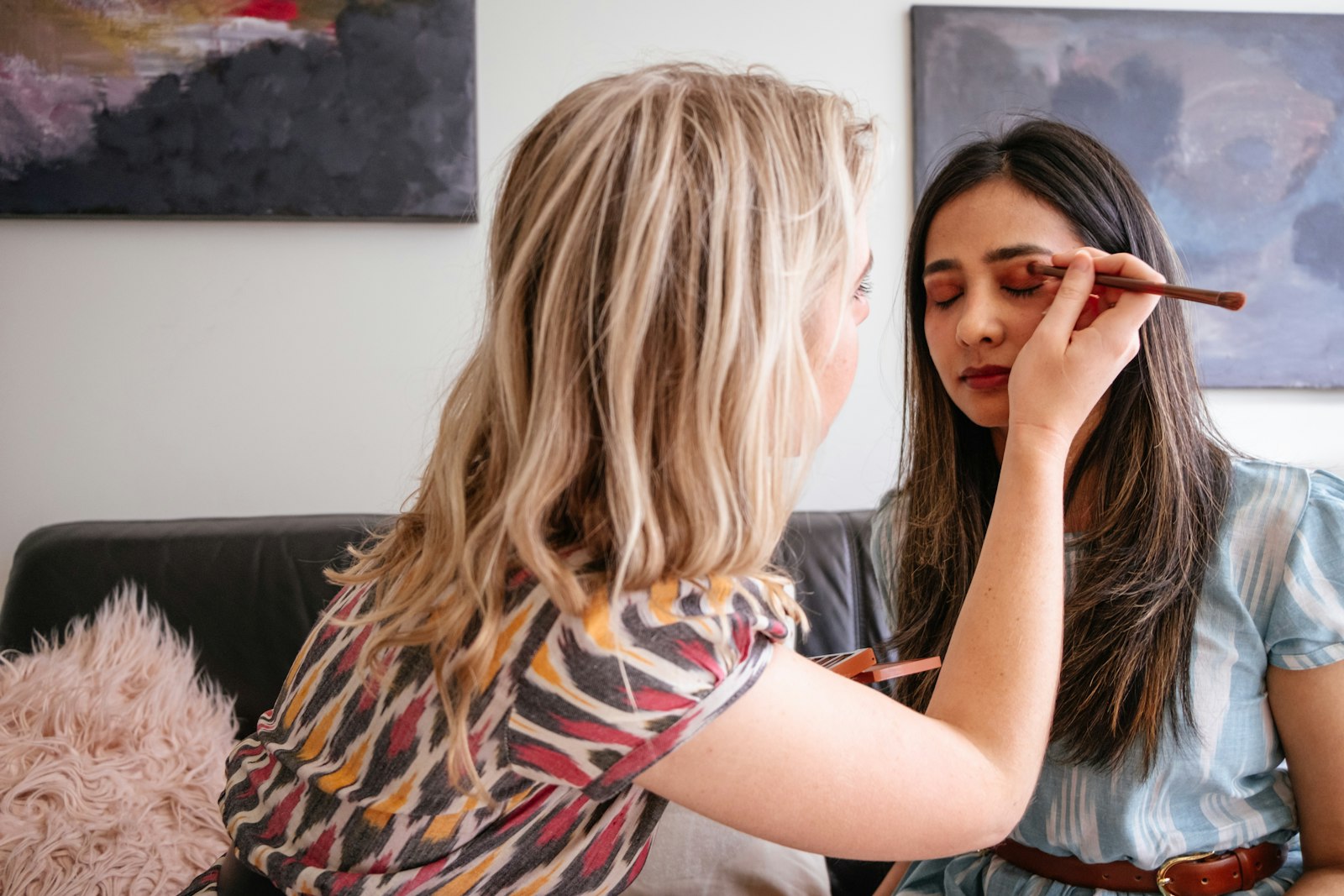
Figuring out the best way to flatter our facial features with makeup is already tricky, but how about when we add glasses? You might need to adapt your makeup strategy a little to be as effective as you want with glasses on, particularly if your prescription is strong enough to make your eyes app...
An active lifestyle is great for our overall health, but also specifically the health of our eyes. We have an easier time staying in shape, feeling healthy, and getting stronger when we’re eating well, sleeping enough, and staying active. We also reduce our risk of developing chronic diseases l...
The world’s leading cause of blindness has always been cataracts. Naturally, treatment has come a long way. In the US alone, over 20 million adults over the age of 40 will develop cataracts. By age 80, half of all US adults will have them. In a healthy eye, the lens is filled with transparent p...

Before we all jump into the nearest body of water this summer, let’s take a look at some eye safety tips. Not much can ruin your fun summer day as much as an eye injury or infection. Follow these tips to protect your eyes while you enjoy the cool water (whether that’s pool, river, lake, ocean...

What’s the first thing that comes to mind when you think of Independence Day celebrations? Most likely, you thought of fireworks. They are certainly a dazzling and exciting part of the festivities, but they can also be a serious hazard if not handled with caution. Fireworks aren’t just pretty...
If you’ve ever had a patch of shimmering light widen to fill your field of vision, you might’ve had an ocular migraine. It can be quite an alarming experience for someone who hasn’t had one before and doesn’t know what is happening. The name is also a little misleading because ocular migr...
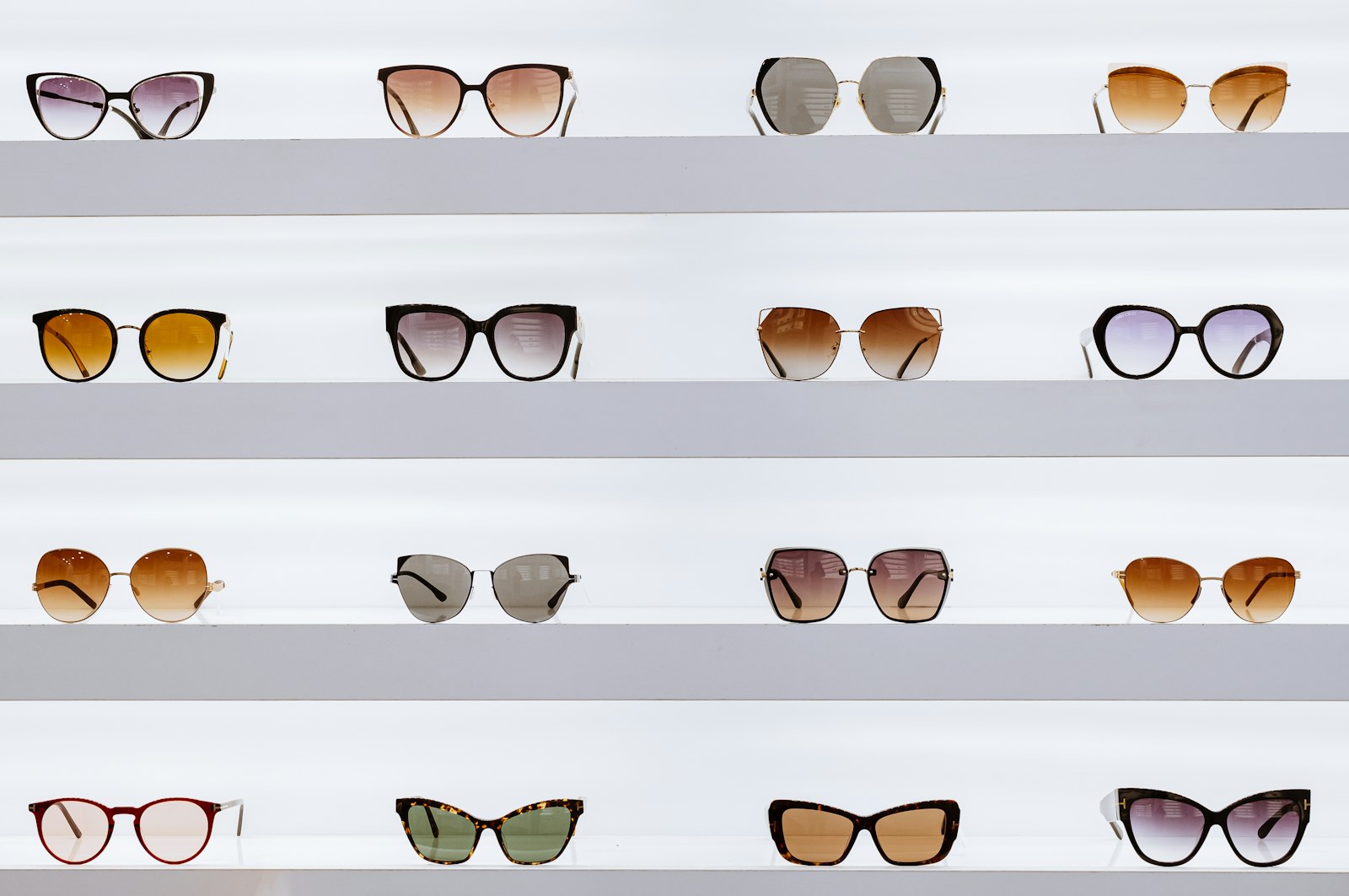
Do you choose glasses frames based on how well they fit the shape of your face? Whatever glasses you wear, they will be a large portion of anyone’s first impression of you. Aside from helping you see, glasses are a great way to show off your personality, but there are a few things to take into ...
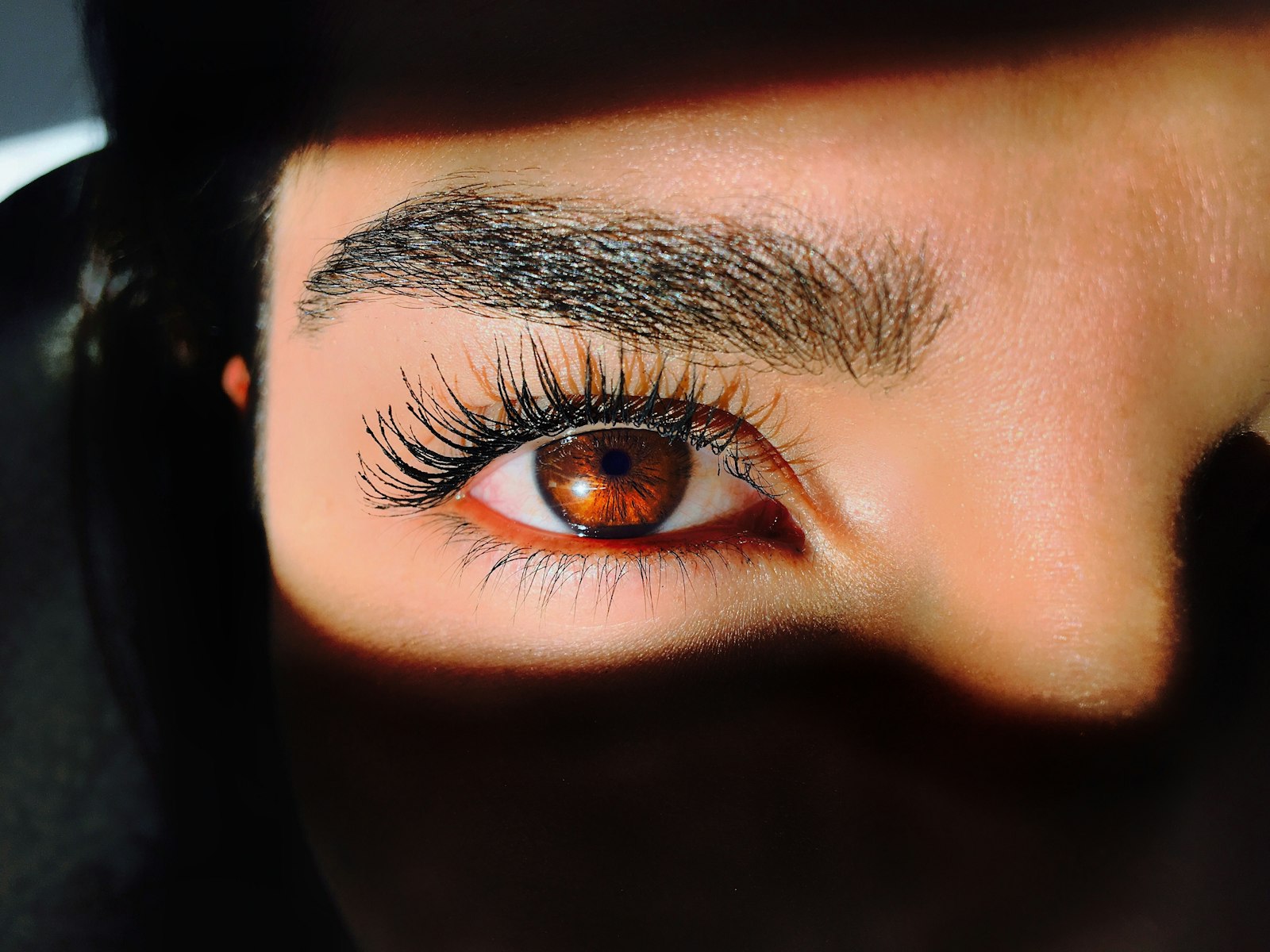
We don’t just have eyelashes and eyebrows to look pretty. They also aren’t there simply to help us make facial expressions or flirty looks. Their most important job is actually to be the first line of defense our eyes have against contaminants and other hazards in the air. The Defense Eyelash...
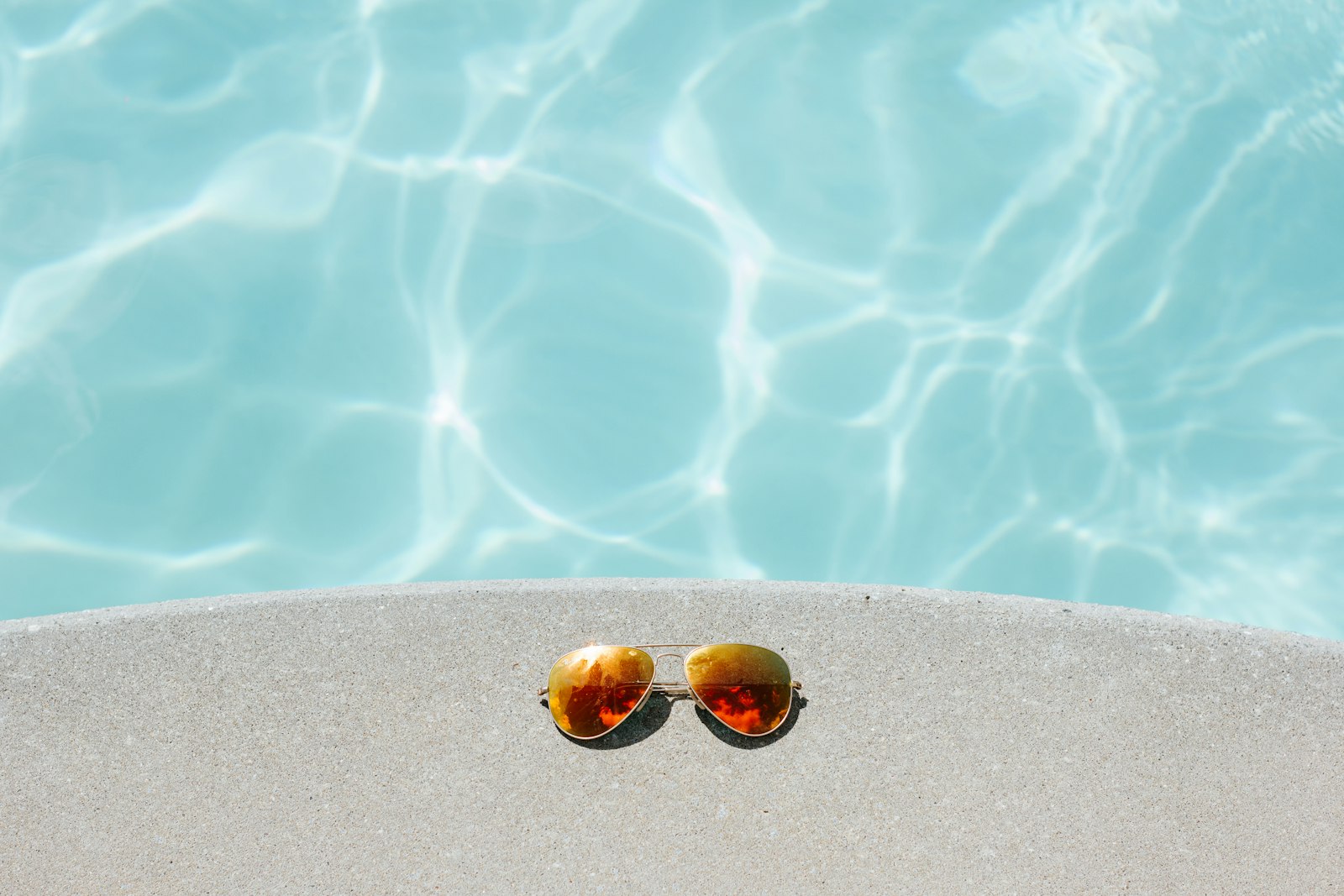
Summer is almost here, and that means longer days with more sunlight! We tend to spend more time outdoors in the warm summer months, which exposes our eyes to more sunlight and the harmful UV rays that come with it. Sunglasses that block UV rays are great for protecting our eyes in all seasons, b...
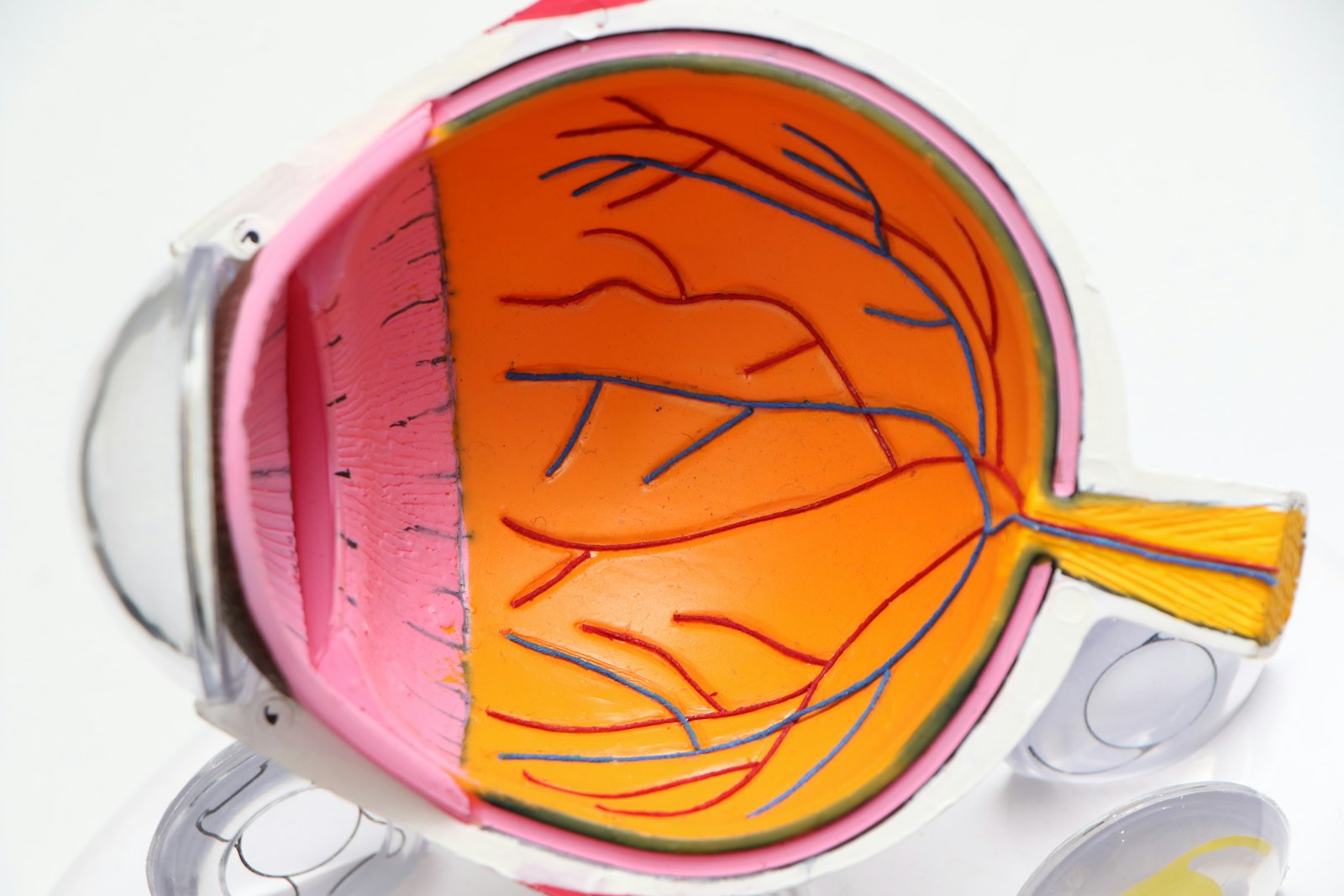
How much do you know about the structures of the human eye? All within something as small as a large marble, photons of light are transformed into streams of accurate, detailed, moving images that we are able to interpret and react to. Our sense of sight keeps us connected to our surroundings in ...
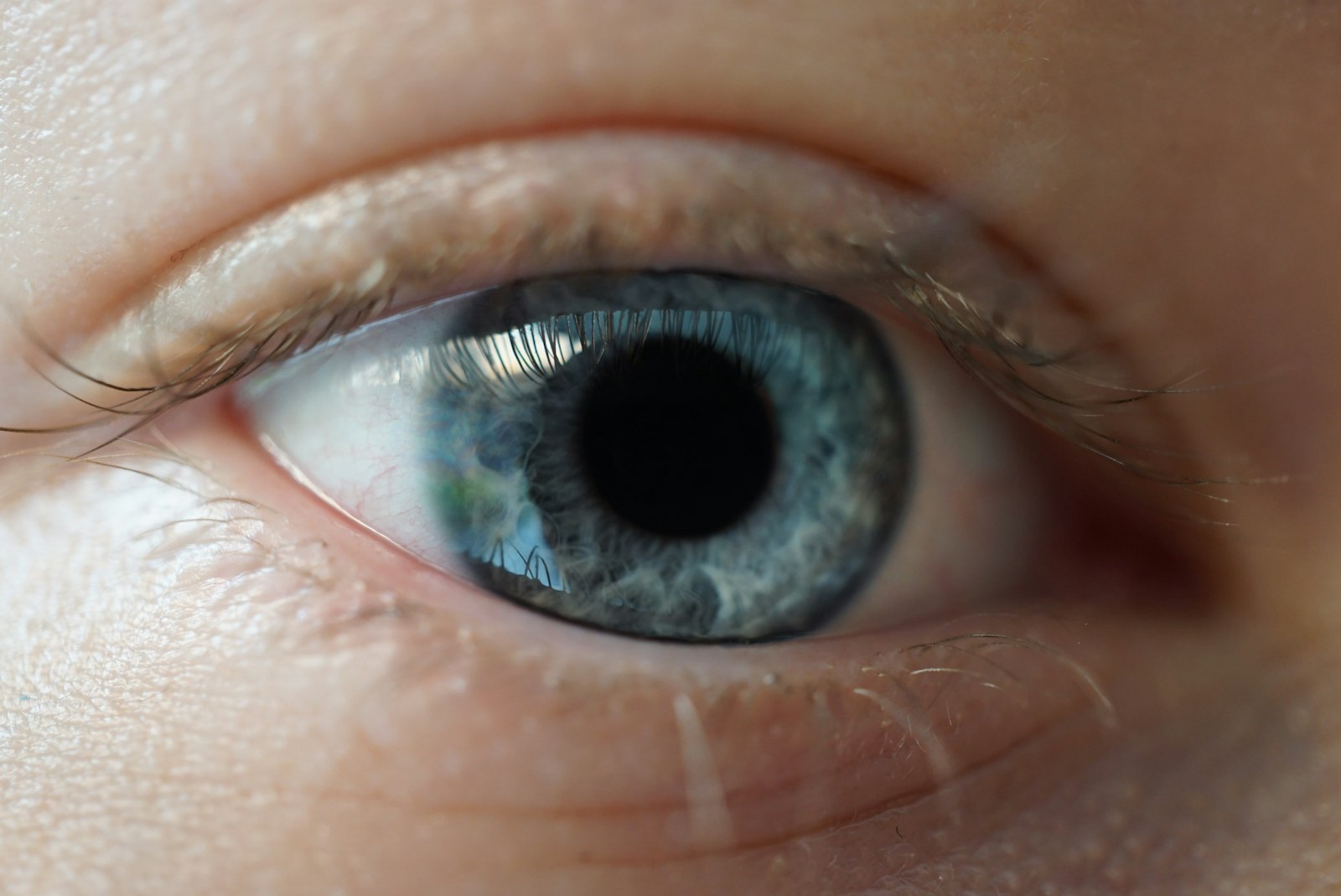
You might be surprised how different vision and eye health can be between men and women. For instance, men are more likely to sustain a sight-threatening eye injury than women, but women are more vulnerable to a variety of eye diseases. What can men and women do to address their unique eye health...
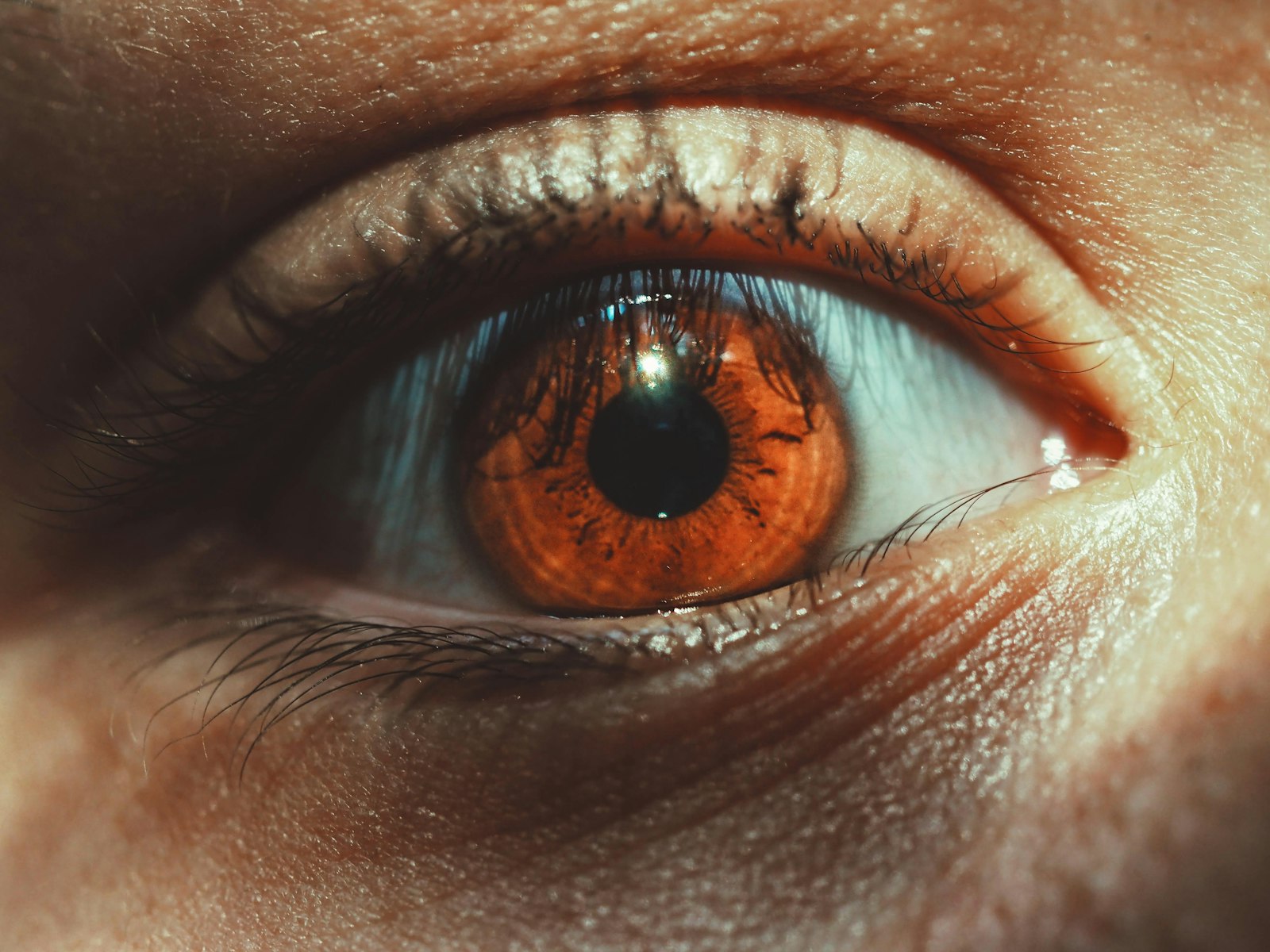
The first traits we tend to associate with athletes are speed and strength, but vision should be a close third. Good visual skills are as essential to an athlete’s success as having strong muscles. An athlete needs to be able to process and react to visual information in a split second. What’...
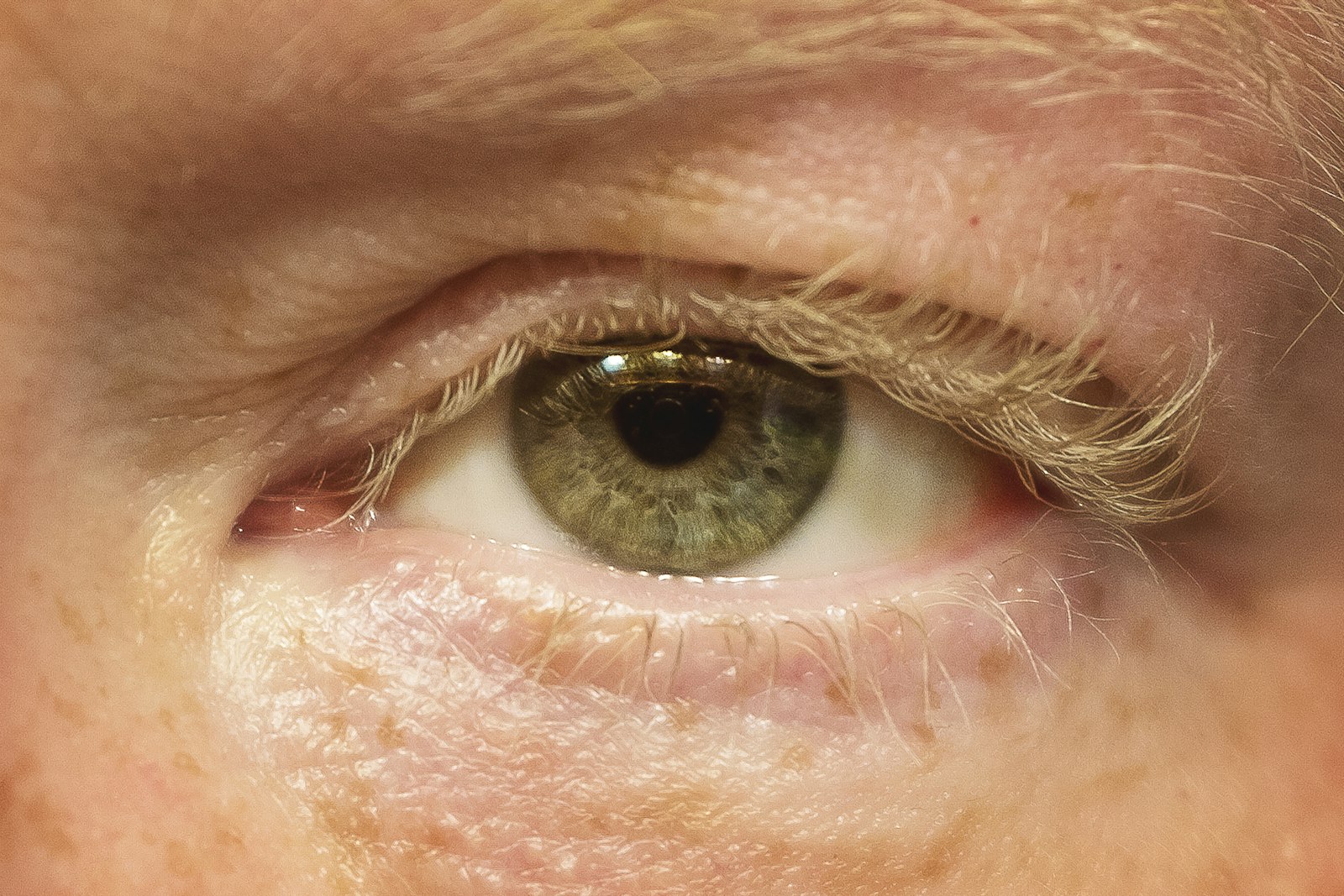
Do you have a habit of rubbing your eyes? It’s the kind of thing we tend to do without really noticing whenever we’re tired, our eyes are itchy or dry, or we get something stuck in them. It’s an automatic response to try to alleviate the issue. The trouble is that it’s likely to do more h...
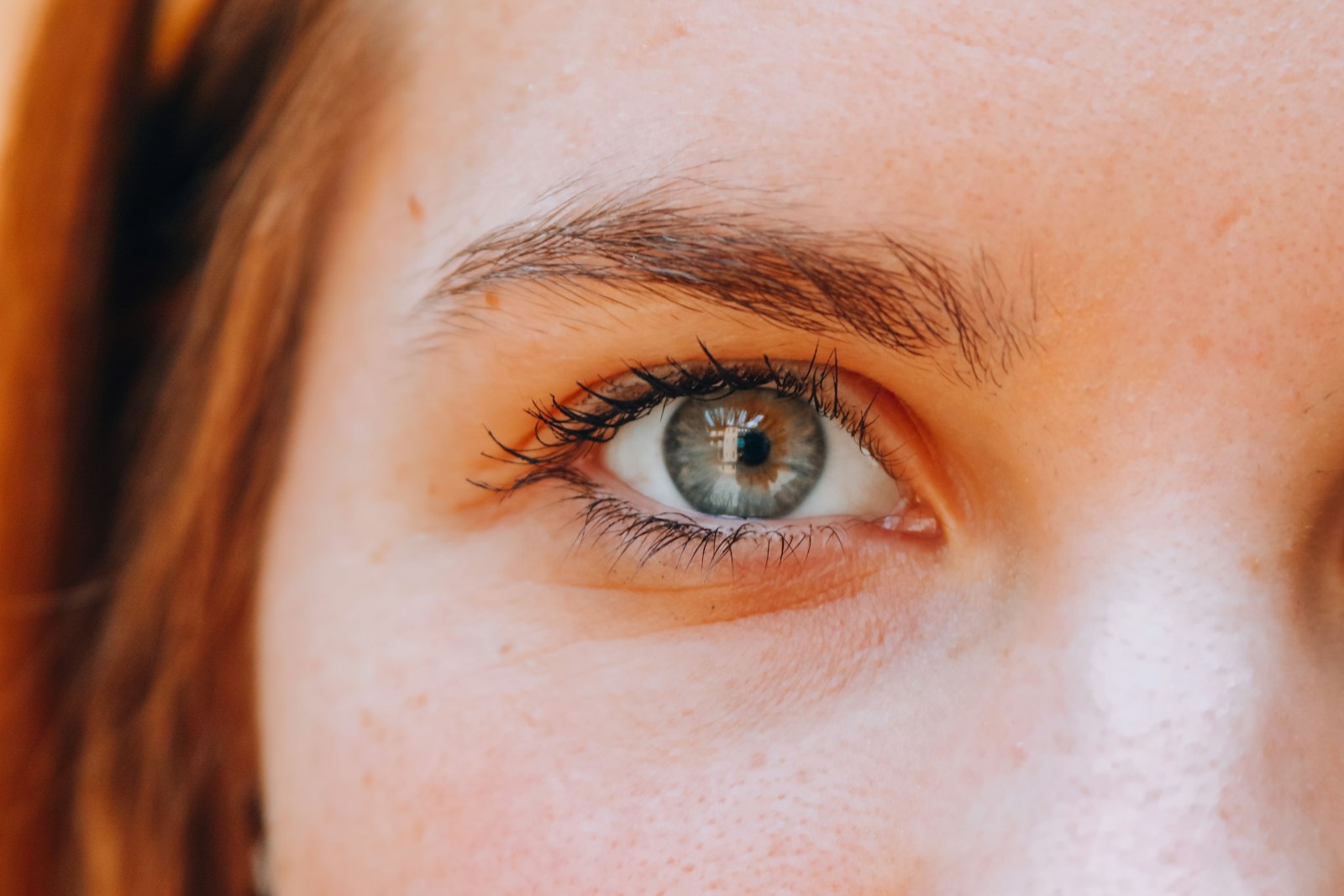
It’s difficult to enjoy a beautiful spring day through swollen eyes and a stuffy nose. Why is springtime so often accompanied by red, puffy, and itchy eyes? The answer isn’t always allergies, so let’s look at the different things that can cause allergy symptoms in the spring and what we can...
We blink multiple times every minute, but do you know why it’s so important? Time yourself for a minute and see how many times you blink. The average for adults is between ten and twenty times per minute, with each blink lasting a tenth of a second. Blinking Cleans and Refreshes Our Eyes Every ...

Uncorrected vision problems can lead to symptoms you might not expect, like frequent headaches. If you deal with a lot of headaches, scheduling an eye exam would be well worth your time, even if only to rule a vision problem out as a cause. Headaches aren’t always tied to vision and every visio...
Indoor tanning is NOT a safe alternative to sunbathing, including for eye health. In fact, indoor tanning is so unsafe that a group of eye doctors, dermatologists, surgeons, and other physicians went before Congress to brief them about the negative health effects, and the World Health Organizatio...

For Workplace Eye Wellness Month, we’re giving you a guide to protecting your eye health at work! Obviously, eye safety will mean something very different depending on the type of work you do. Working on a computer is very different from working at a worksite, so we’re dividing the tips into ...
Eye exams (from a real optometrist, not an app) are critical for maintaining lifelong healthy vision. We want to celebrate Save Your Vision Month by making an entire blog post out of the top reasons everyone should put an eye exam on their calendar. The ideal frequency of your eye exams depends o...
Glasses or contact lenses might be small, but they make a massive difference in our daily lives. Anyone who wears glasses or contacts (unless they’ve had them since they were toddlers) can remember what it was like to suddenly be able to see individual leaves and blades of grass when they start...
There are many different ways a person can be colorblind, and only the rarest type results in seeing in black and white. Complete color blindness is called monochromacy, and it’s so rare that only one person in 33,000 has it. For most people with color blindness, it only affects certain colors,...
Statistically, the first thing we notice about a person when we meet them is their eye color. An interesting pair of eyes can make a lasting impression, but the most unforgettable are probably the ones that don’t match. The scientific term for mismatched eye colors is heterochromia. It’s fair...
How much of your nightly routine is lit up by a bright screen? For at least as long as we’ve had handheld devices connecting us to the internet, many of us have been online with our eyes glued to a screen late into the night. This is not an optometrist-approved bedtime ritual. Our screens emit ...
For people age fifty and older, age-related macular degeneration (AMD) is a leading cause of permanent vision loss. AMD is the gradual loss of central vision as the part of the retina with the highest concentration of photoreceptor cells (the macula, which is responsible for our detailed central ...
The older we get, the more the lenses in our eyes lose their flexibility. This is a process called presbyopia. It’s the main reason the majority of seniors need reading glasses even if they never needed corrective lenses before. Those of us who already need glasses to correct nearsightedness en...
So many intricate parts have to work together to make clear eyesight possible. This is because the human eye is incredibly complex, but the trouble is that just one thing going wrong can seriously compromise a person’s vision health. One example that might not seem obvious to most people is the...
Healthy eyesight is an important part of having a good quality of life. Up to one in every six adults struggles with a sight-threatening eye condition and many more than that experience a degree of vision loss as they age. Many of the major causes of blindness and low vision are connected to age,...
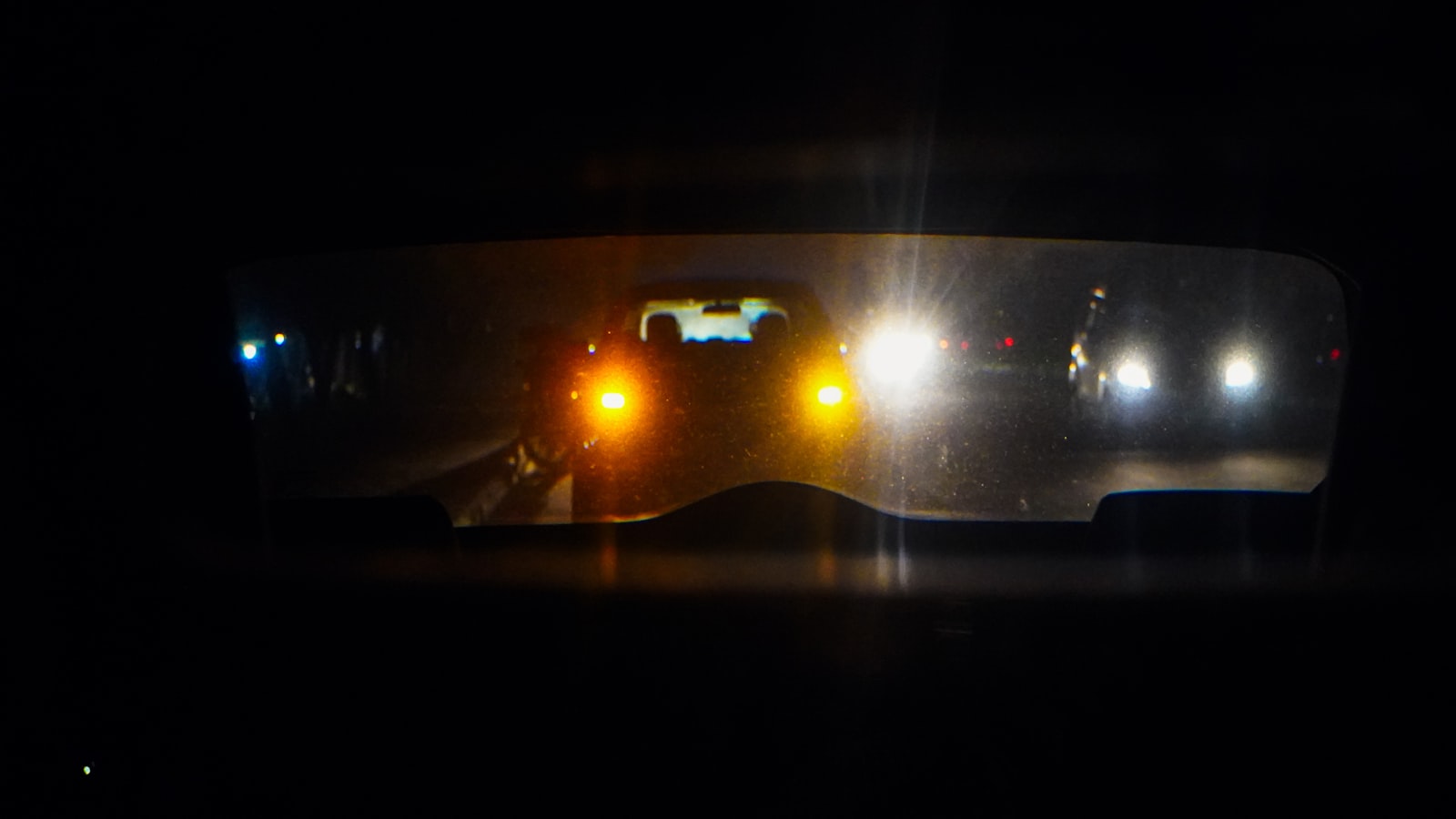
The days are shorter in winter, so we inevitably end up driving at night a little more. Any of us who don’t have perfect eyesight can find this a stressful adjustment to make each year, and it can be a dangerous one if we’re not taking the dangers of night driving into careful consideration. ...

Healthy, functioning eyesight is incredibly important to a child’s education and development. That’s because as much as 80% of all learning is visual, and experts estimate that more than half of childhood learning difficulties are the result of undiagnosed vision problems. So what can parents...
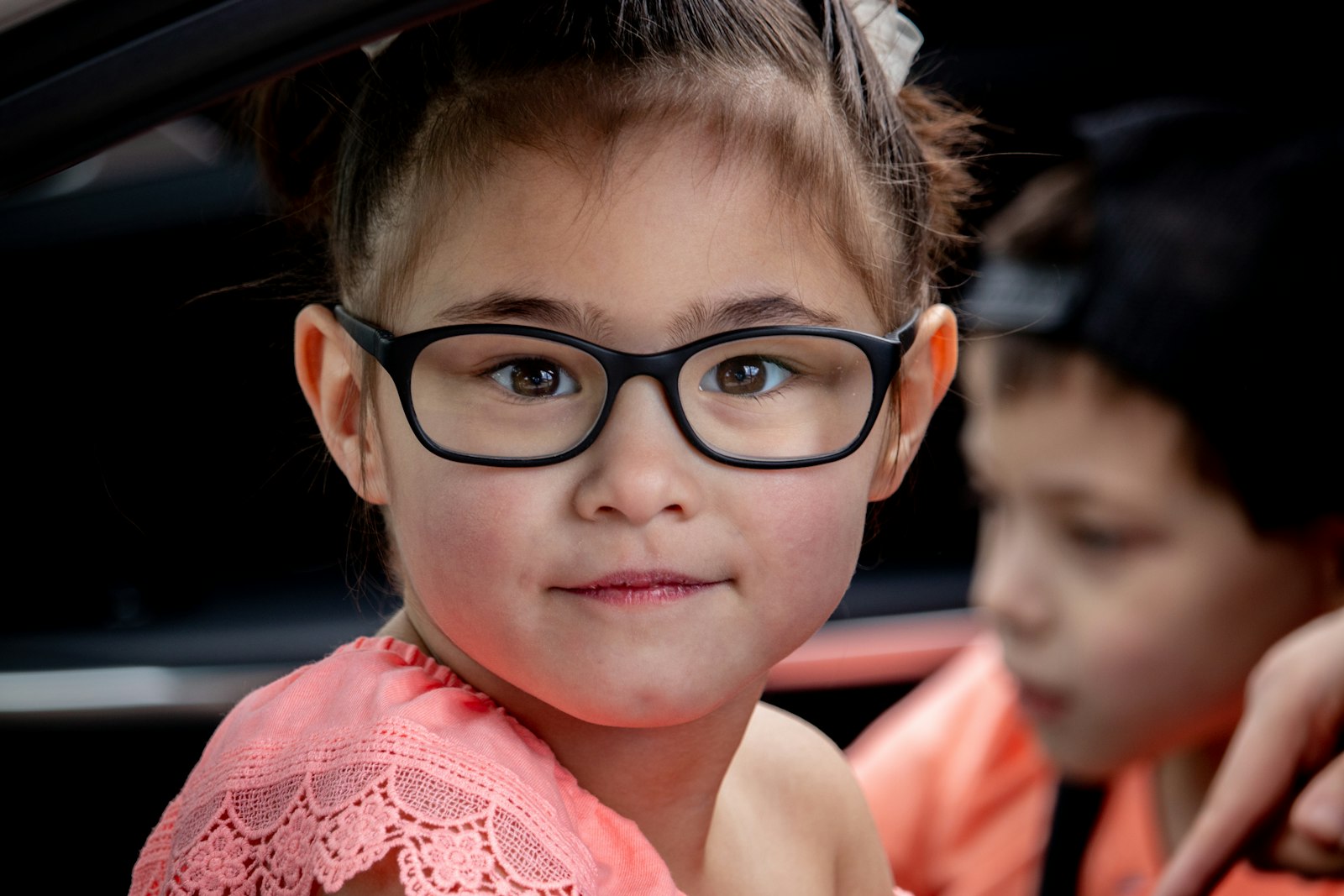
Did you know that babies have to learn how to see? It might seem strange, since using our eyes is something we do automatically all day, but babies need to develop a number of visual skills in order to effectively use their eyes and process what they’re seeing, just like they have to learn how ...

We might get more hours of daylight in the summer, but sunglasses are important in winter too! Harmful UV rays can do just as much damage on a snowy mountainside as on a sandy beach. Our skin might be protected by layers of snow gear in winter, but our eyes are still vulnerable if we aren’t car...

A smoking habit damages every organ and system in the body, including the eyes. We typically think of lung cancer as the main health risk associated with smoking, and then maybe oral health problems next, but the parts of the body that have direct contact with the smoke aren’t the only ones hur...
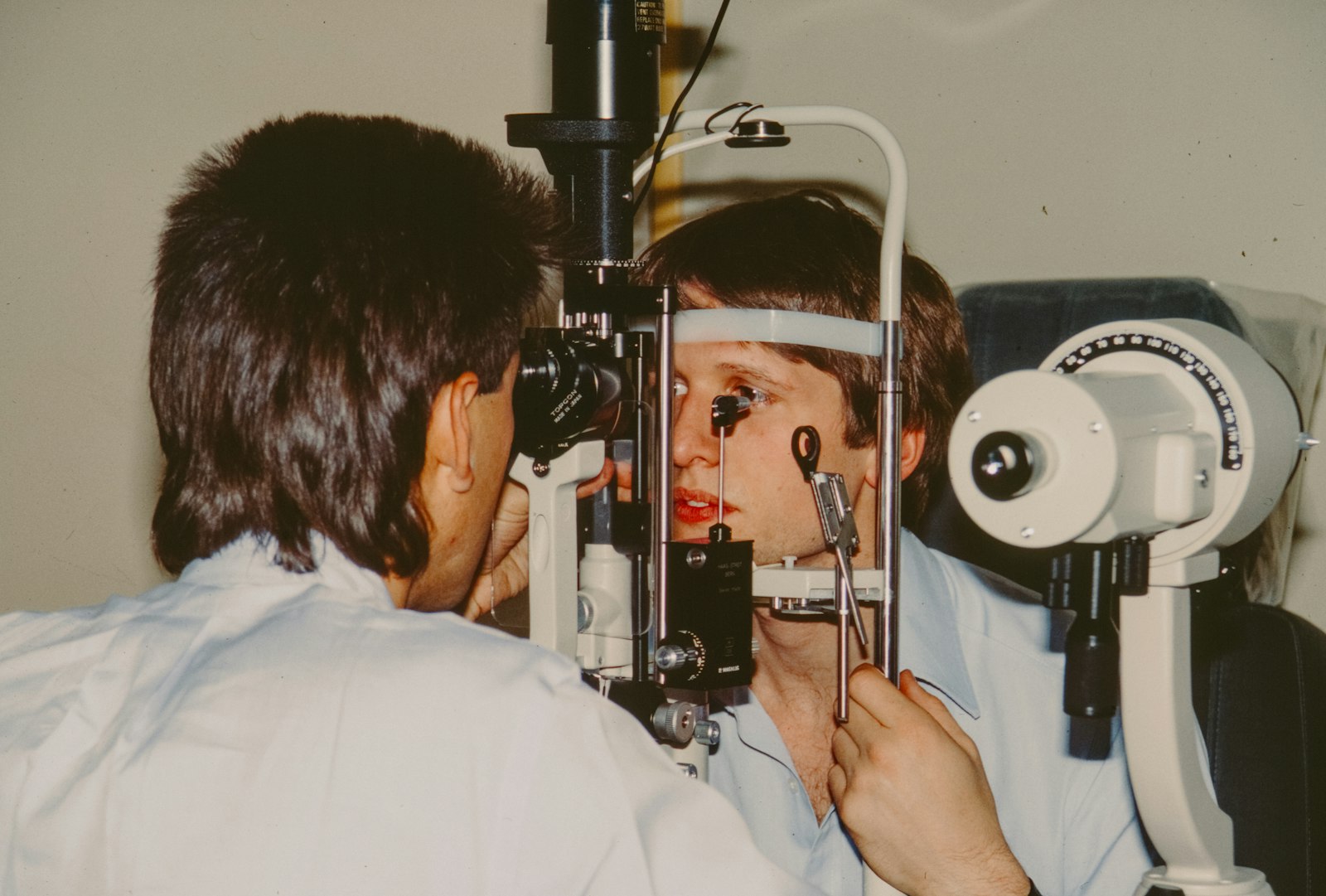
One of the many things diabetes can impact when it isn’t carefully controlled is eyesight. Whether it’s type 1, type 2, or gestational diabetes (which functions like type 2 while it lasts), the risk of developing a variety of eye diseases (including cataracts, diabetic macular edema, diabetic...
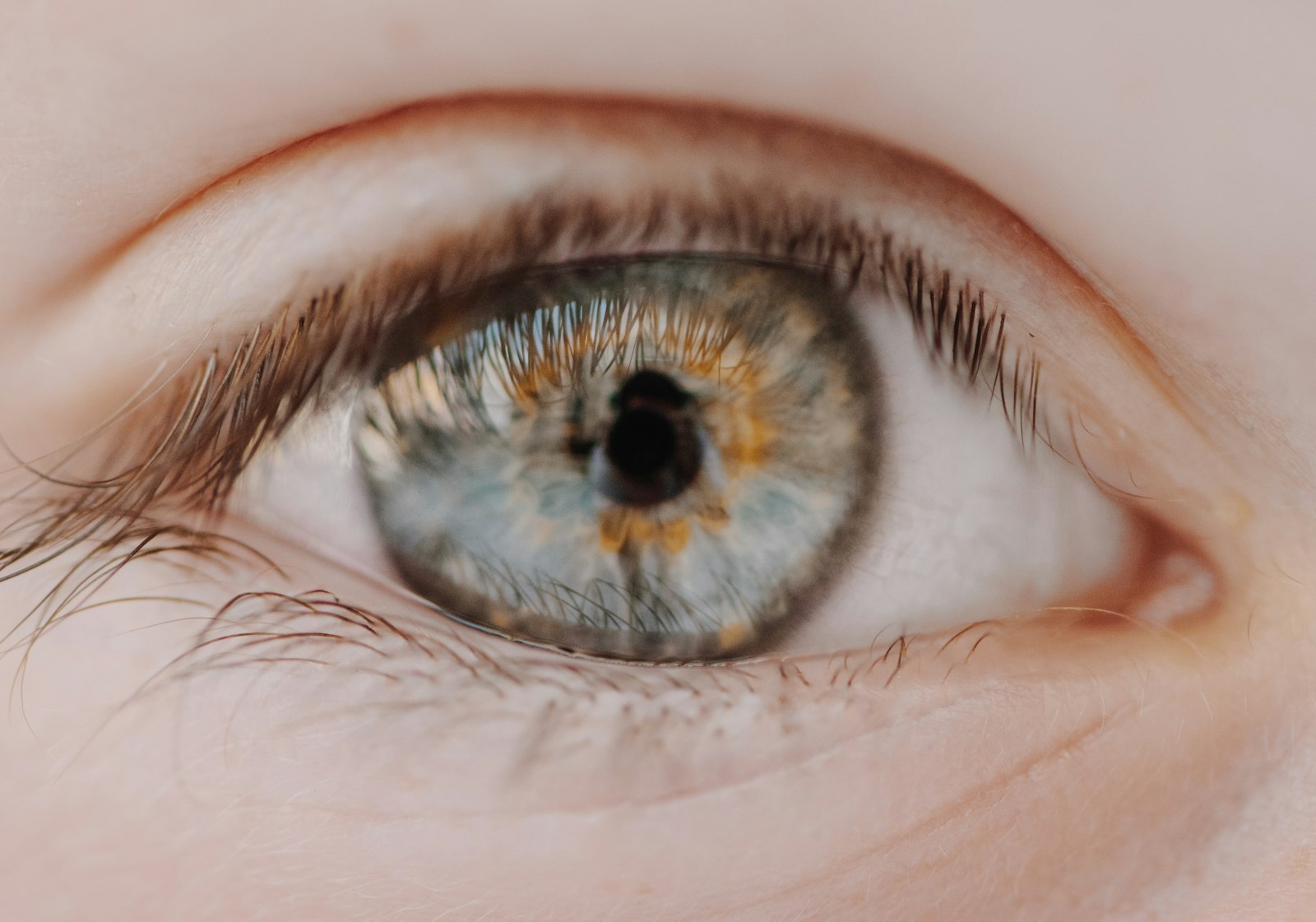
Human eye color comes from melanin, the same compound that determines skin and hair color. Melanin absorbs light, even some UV light, which is important for the iris — the part of the eye that controls how much light enters the pupil. Melanin and Pigment Types There are two different types of m...
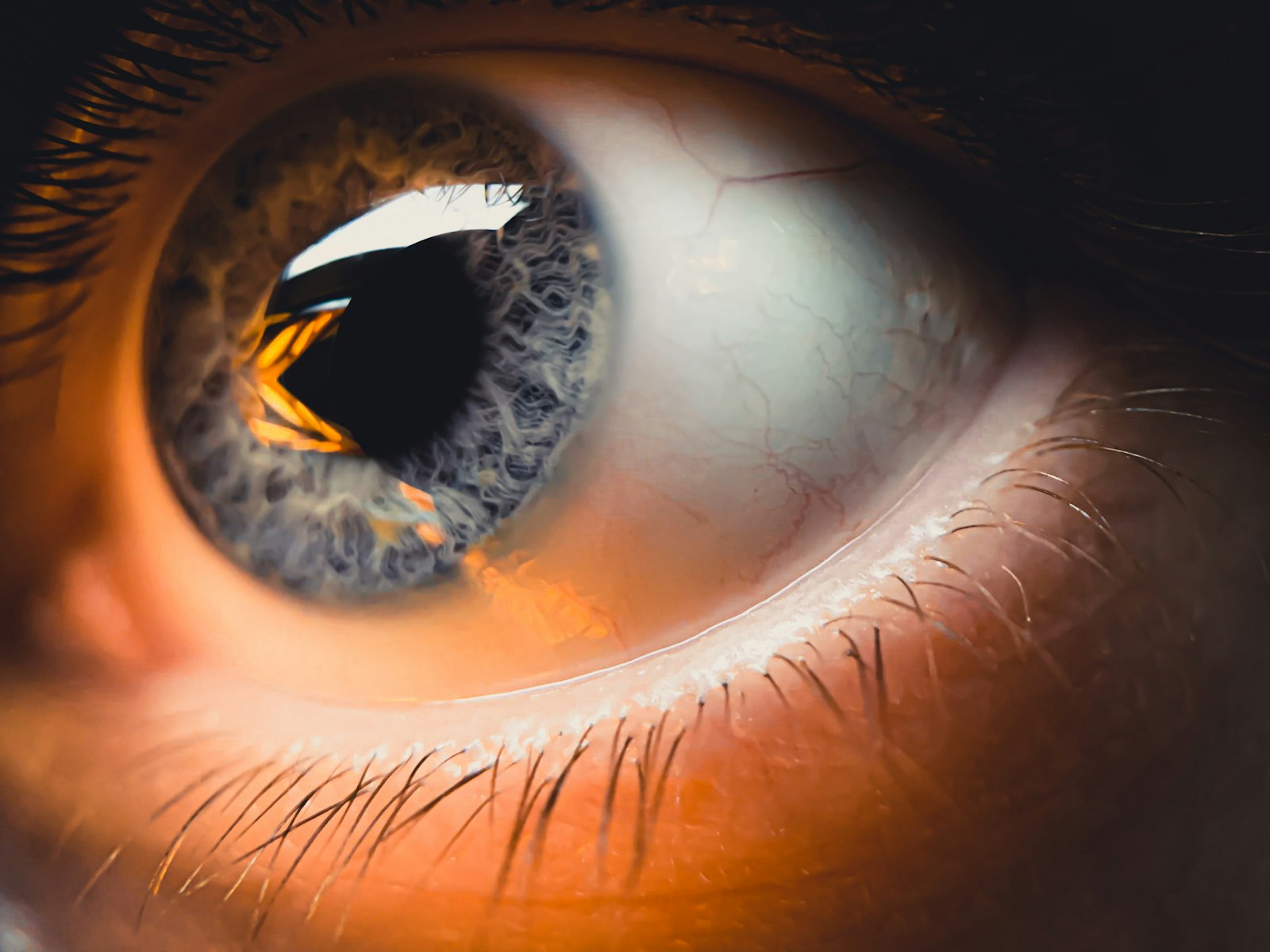
Human eyes are incredibly complex, which means there are many ways something can go wrong. The particular one we want to focus on is retinal detachment: a serious, sight-threatening condition that will affect 1 in every 300 people at some point in their lives. Retinal detachment can be treated wi...
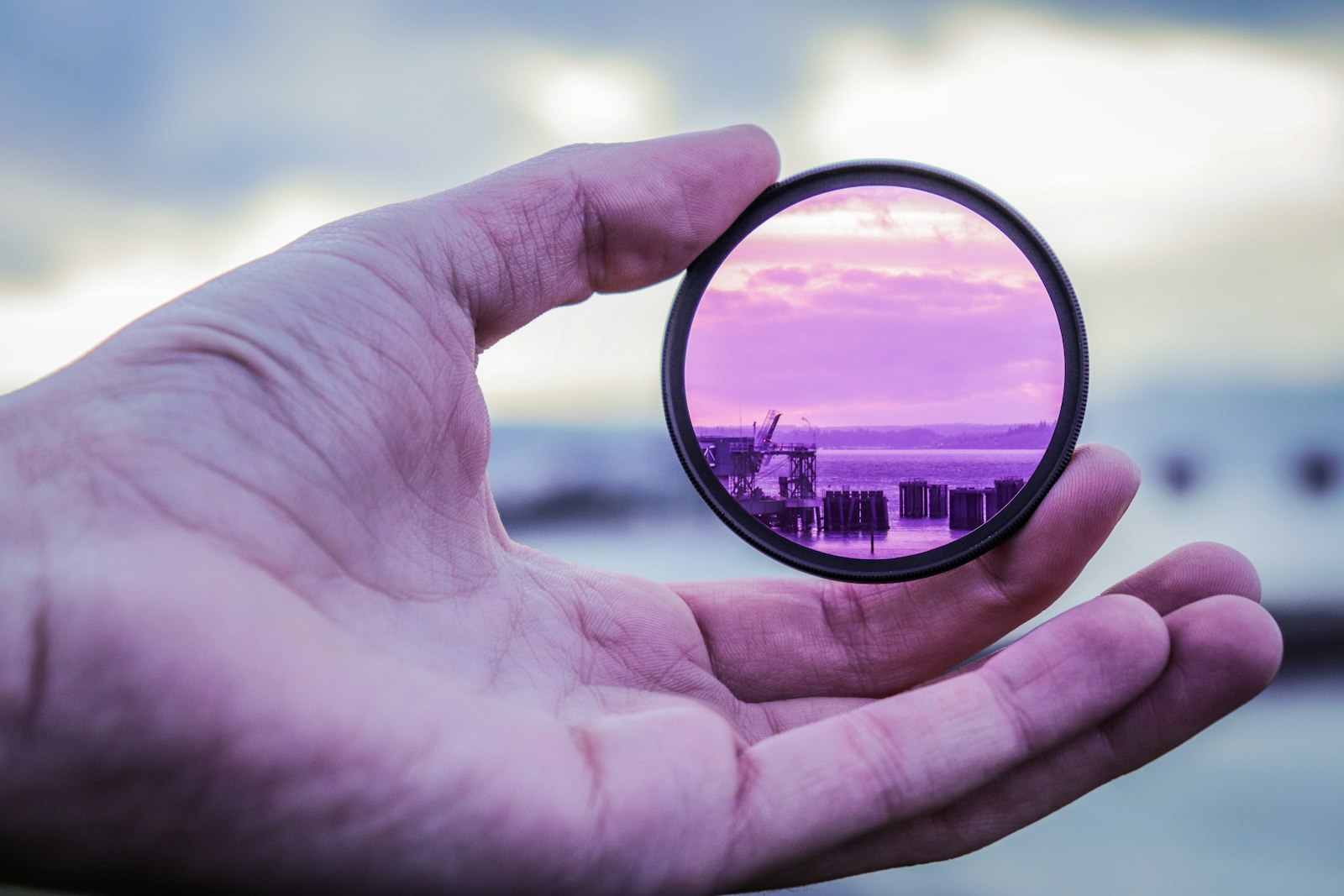
Since as early as 60 A.D., people have been using vision-correcting tools to help them see. Around that time, the Roman philosopher Seneca used a glass globe of water to magnify text, while Emperor Nero needed a magnifying emerald to see gladiator fights. Thanks to millennia of innovations since ...
Vision problems can’t all be corrected with glasses or contact lenses. When even the strongest corrective lenses aren’t enough to produce clear vision, that’s visual impairment. Even for those of us who don’t live with visual impairments of our own, it’s good to understand them so that ...
Studies have shown that sleep deprivation hits the body and mind a lot like alcohol. That isn’t great, but where do our eyes fit into the equation? When we get enough sleep, it’s great for both our overall health and our eye health, and we can also improve our quality of sleep by changing wha...
44% of all eye injuries happen in the home. The good news is that up to 90% of eye injuries are preventable if we take simple precautionary measures like wearing protective gear when working with chemicals or power tools and minimizing the unnecessary hazards around the home. Identifying the Home...

A great way to take a Halloween costume or cosplay outfit to the next level is with costume contact lenses. However, unlike every other piece of a costume, contact lenses are medical devices, so we need to take special care to make sure we buy ones that are safe and fit properly. Here are a few i...
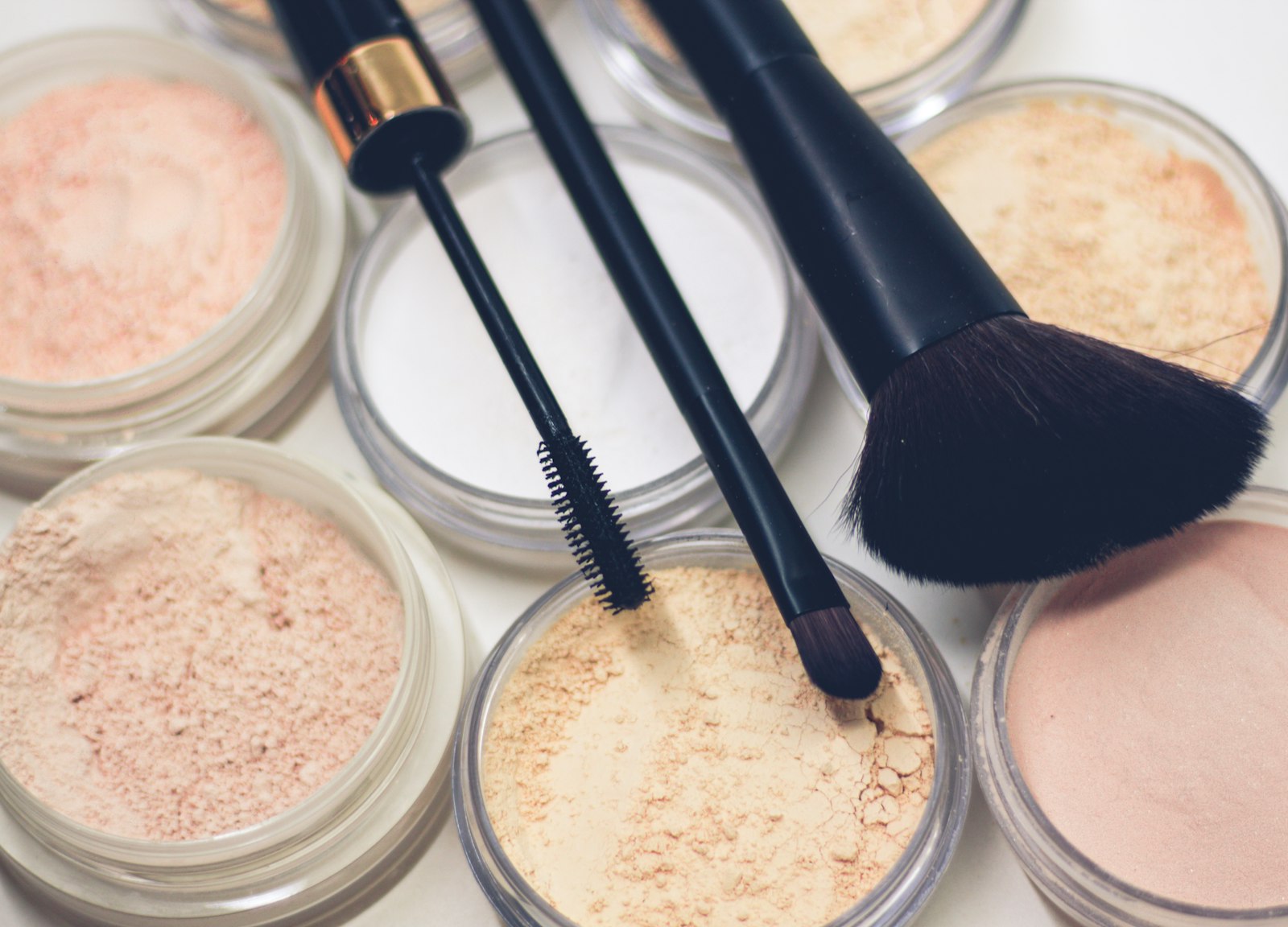
Back in the old days, makeup was full of ingredients like lead, arsenic, and mercury. Thankfully we don’t have to worry whether or not we’re putting actual poison on our faces when we apply modern makeup, but we should still take a few precautions to protect our eyes from unnecessary injury a...
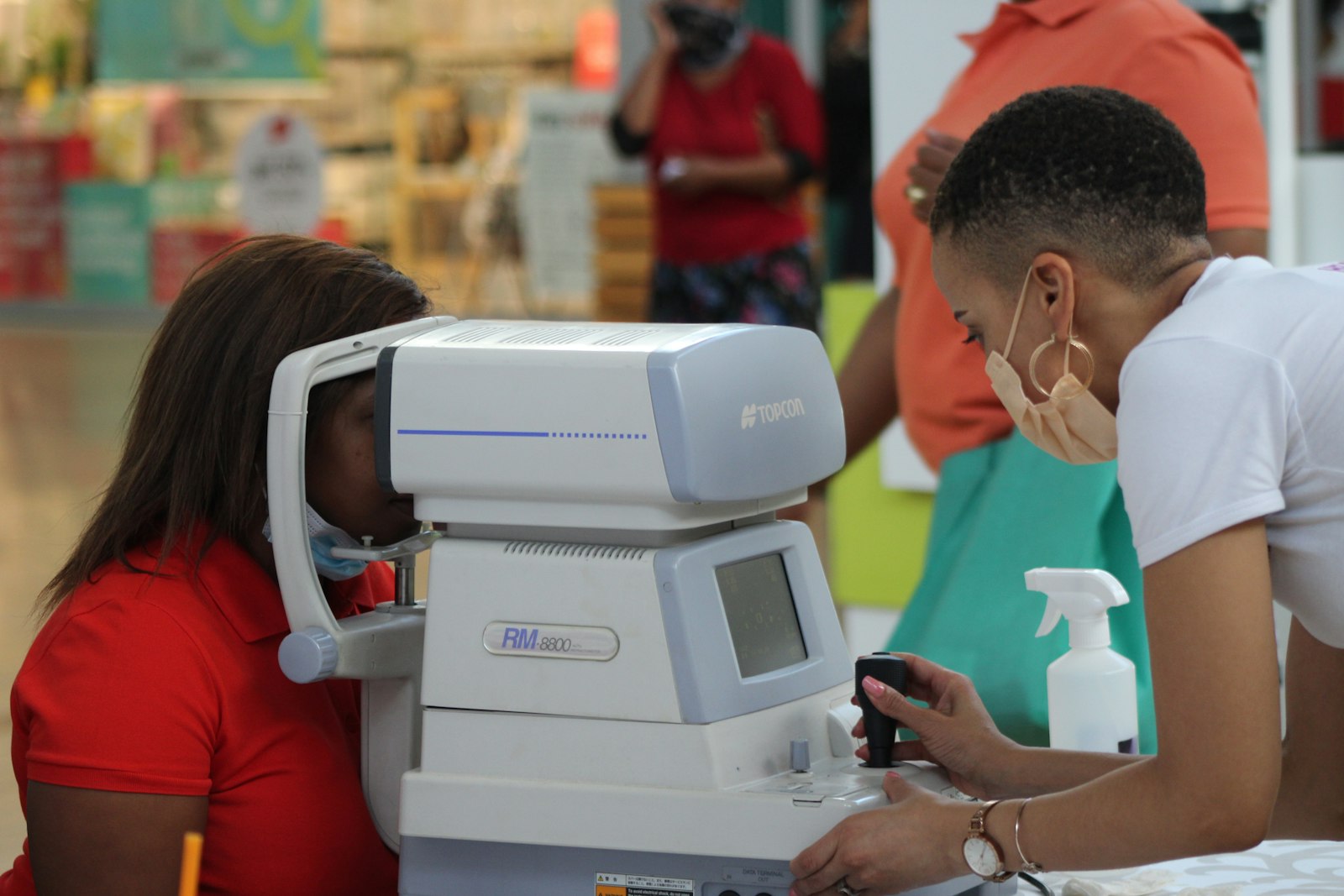
Your dentist has probably told you to get a cleaning and exam every six months, but how often should we get eye exams? Preventative care is as important for eye health as for dental health, even when you don’t need a new glasses or contact lens prescription. Our eyes are incredibly complex and ...
Among the many changes our bodies undergo as we get older are the changes to our eyesight. Early diagnosis is critical for stopping many sight-threatening conditions in their tracks, which is why we should be on the watch for signs of age-related vision loss. There are also more benign ways our e...
An estimated 90% of eye injuries are preventable if the right eye protection is worn. That means that 27,000 out of 30,000 sports-related eye injuries in America could be avoided by taking this one simple precaution. You might think of eye protection as something for welders or construction worke...
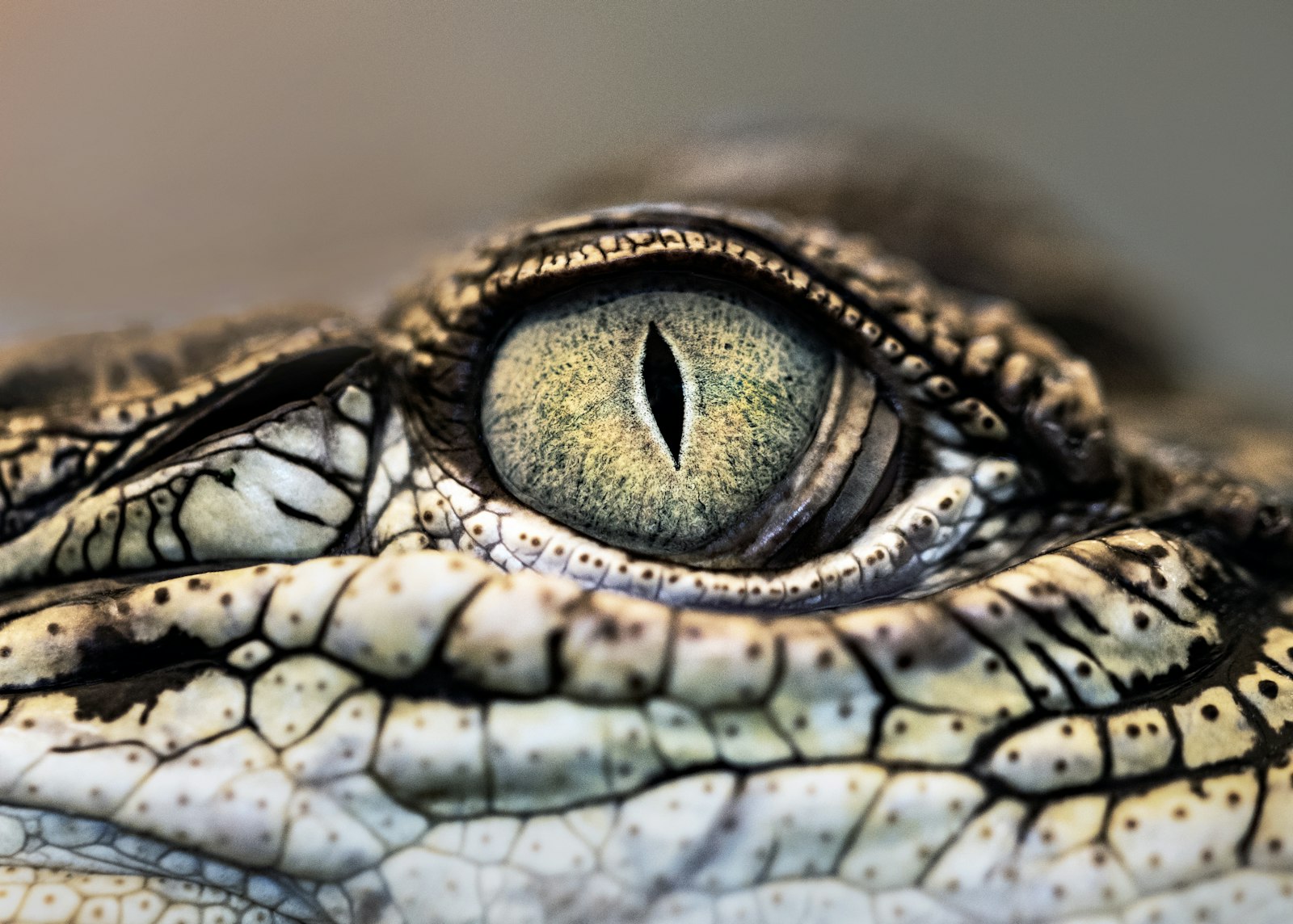
We wouldn’t have gone into the optometry field if we weren’t fascinated by eyes, and there are some incredible ones in nature. There is such incredible variation in how eyes work across the animal kingdom that we could spend years studying and barely scratch the surface, so to start out, we j...
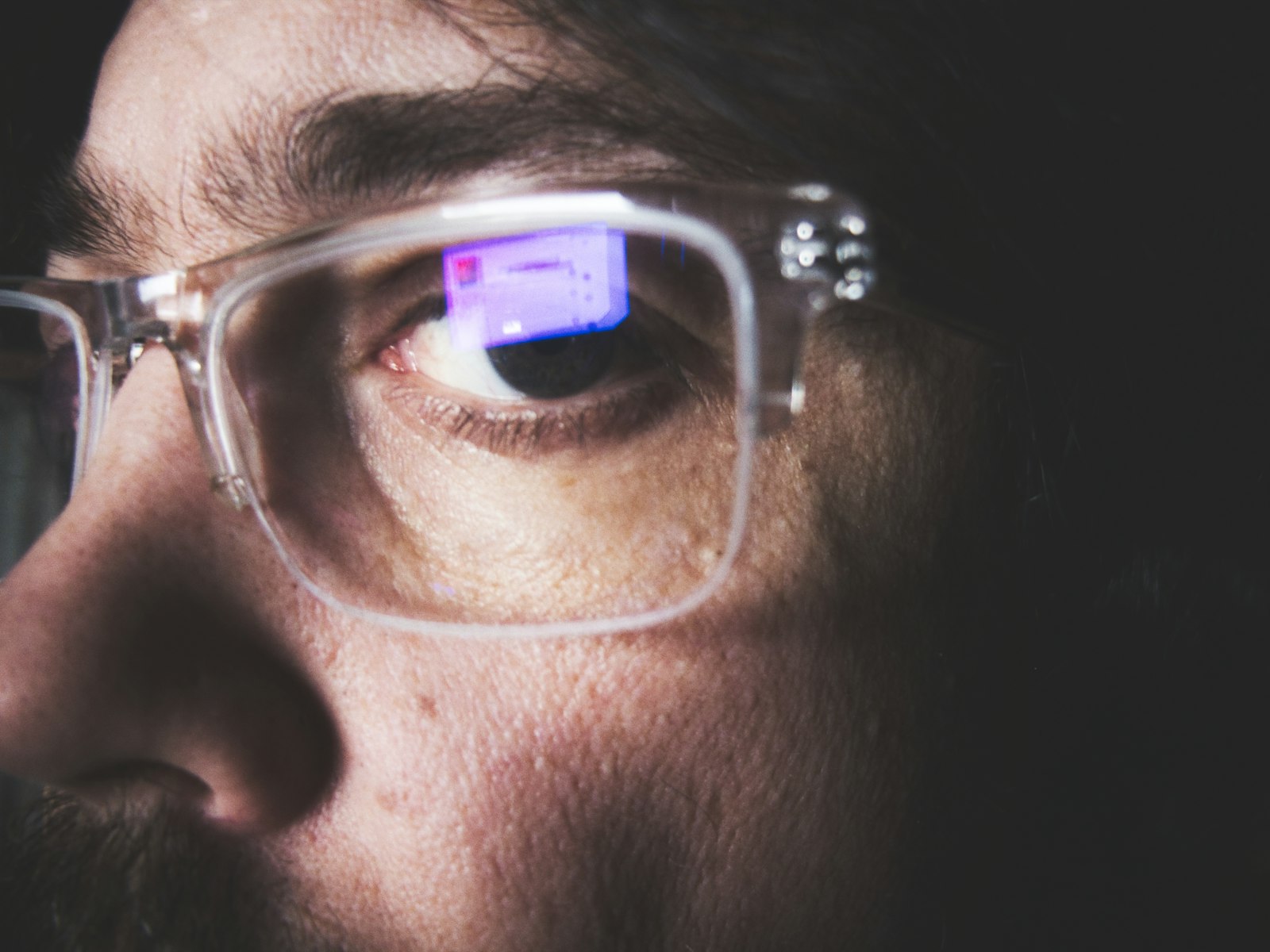
Digital screens have become an increasingly prominent part of our lives in recent decades. Whether you work from home on your computer, work from an office on your computer, or simply own a smartphone, you are likely spending a significant portion of your day with your eyes fixed on a bright scre...

A staple of every school nurse’s office is the big E eye chart. That chart, the formal name of which is the Snellen chart (after the 19th-century Dutch eye doctor Herman Snellen who developed it), is certainly a good diagnostic tool for catching nearsightedness, but there are many other things ...
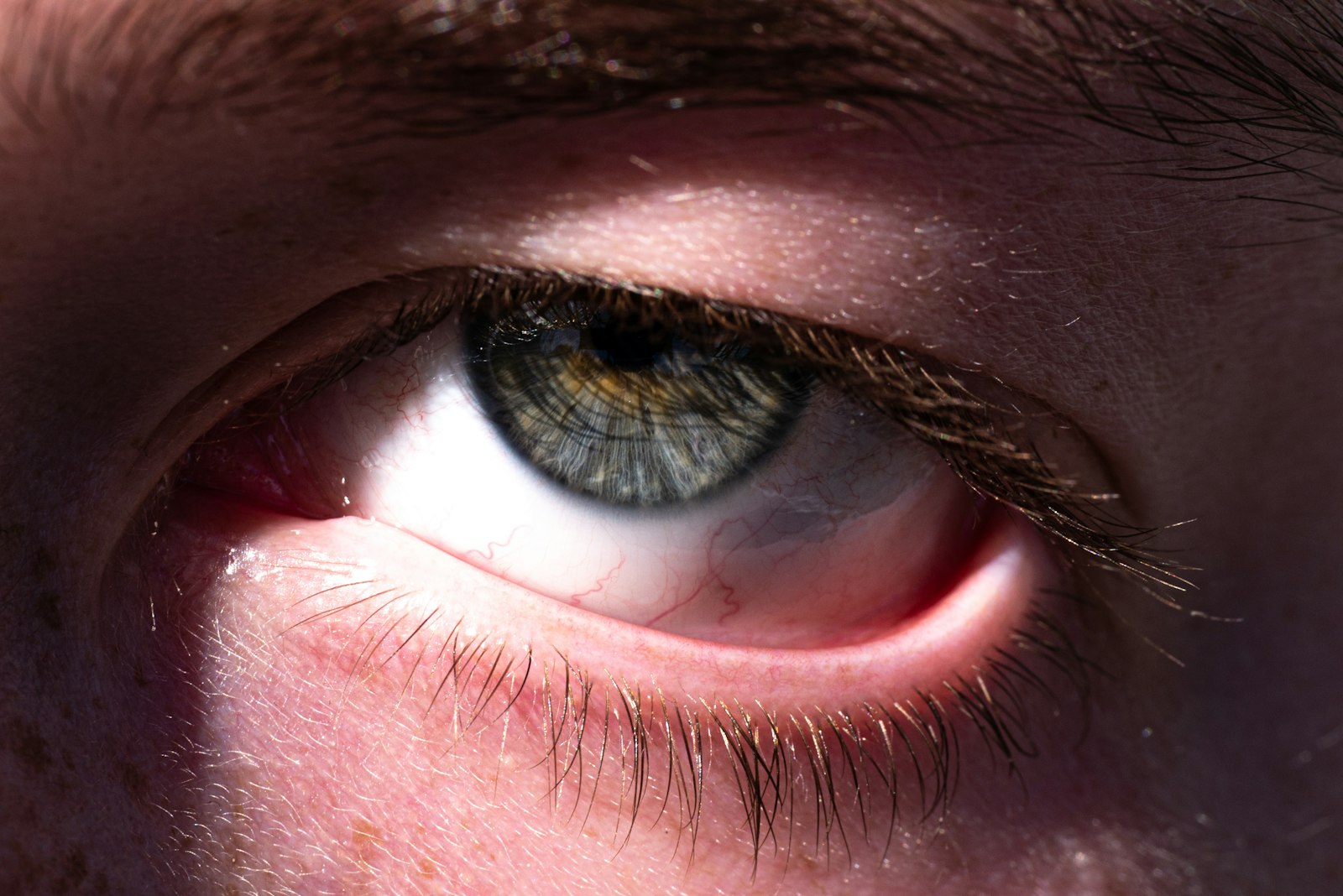
How much do you know about conjunctivitis (pink eye)? The main symptoms of pink eye are the redness that gives it its common name, itchiness, and either thick or watery discharge. Conjunctivitis is an inflammation of the clear outer layer of tissue that covers the surface of our eyes and the insi...
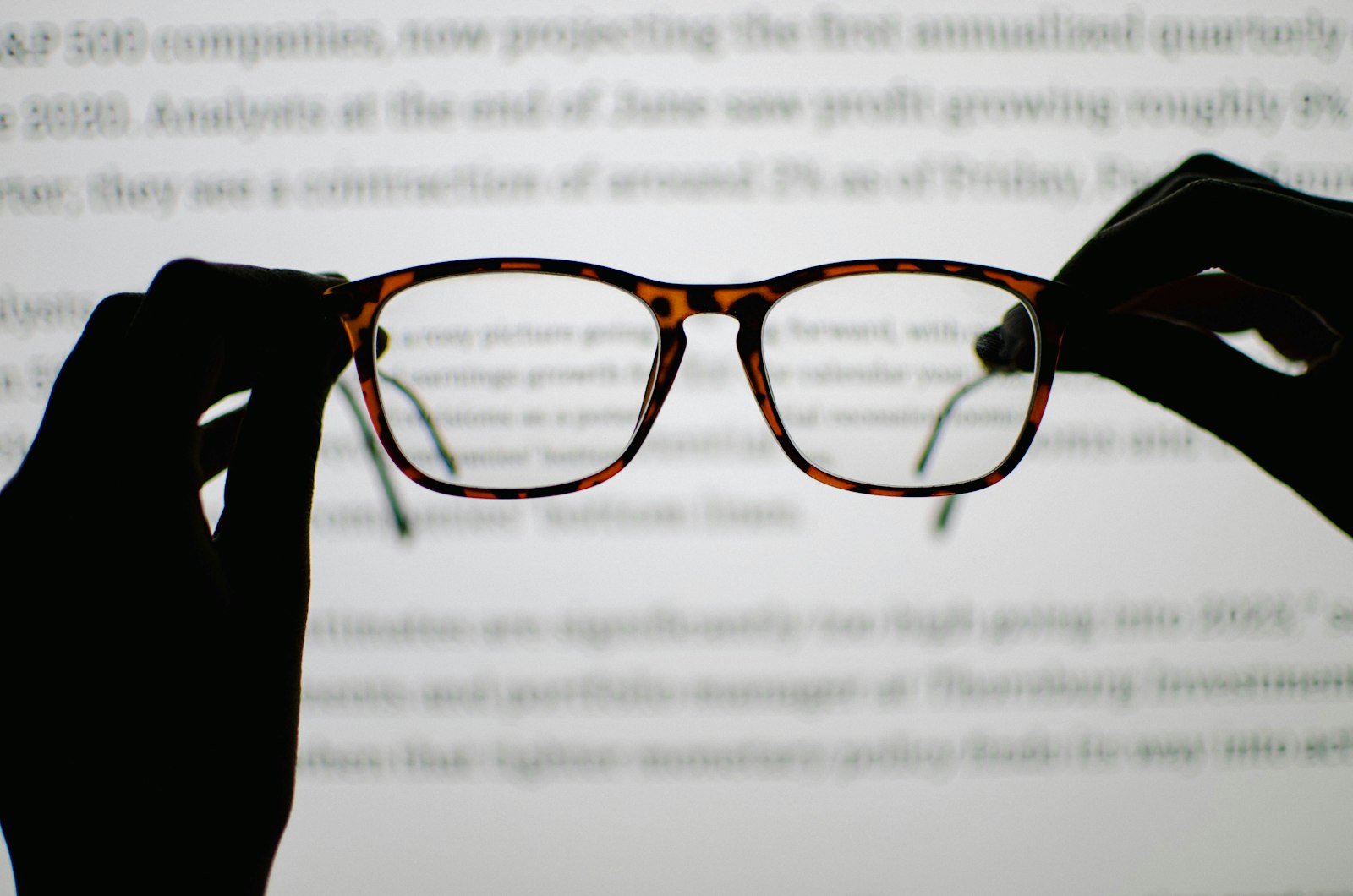
We tend to think of 20/20 vision being a synonym for perfect eyesight, but that isn’t quite true. All it means when someone has 20/20 vision is that they have normal visual acuity without refractive errors like nearsightedness, farsightedness, or astigmatism. There is a wide range of vision pro...
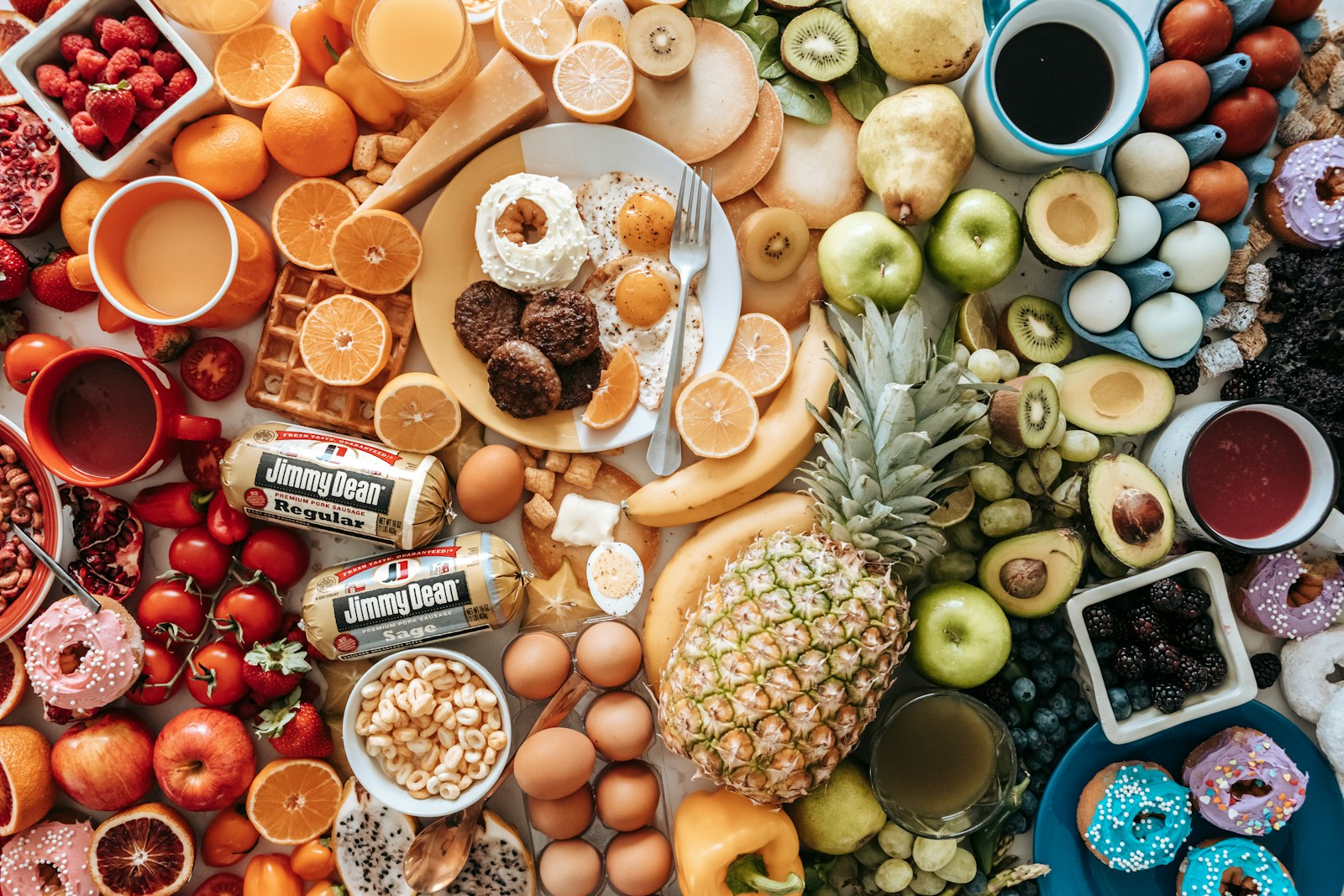
We’ve all heard that eating carrots will give us amazing eyesight. Fun fact: that idea is actually leftover World War II propaganda. The British wanted to keep their new radar technology secret from the Germans, so they claimed far and wide that their airmen got superhuman night vision by eatin...
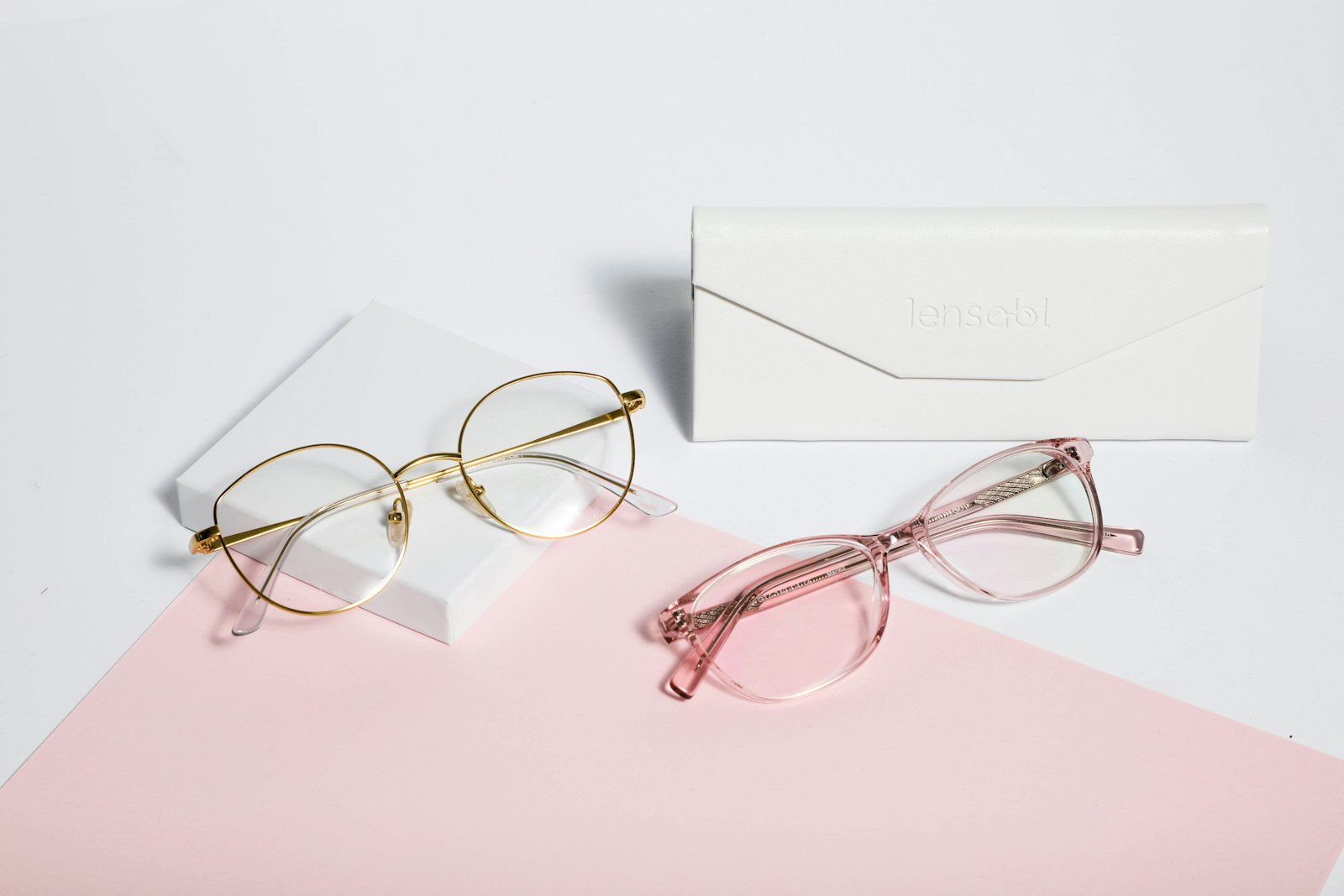
Wearing glasses can be a big adjustment for kids when they’re just starting out. The temptation can sometimes be to leave the glasses at home instead of wearing them, even though that means going through a day of fuzzy vistas and squinting. That’s why today’s post is all about helping paren...
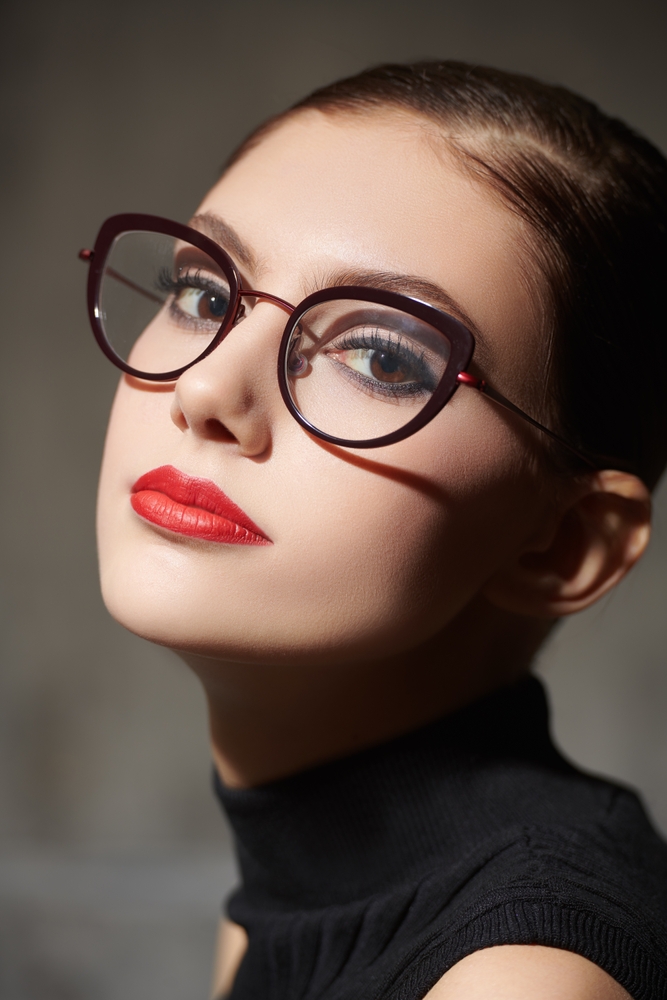
It’s hard enough figuring out the most flattering makeup for our facial features — what about when we add glasses? Your makeup strategy might need some adapting to keep you looking your best with the glasses on, especially if your prescription makes your eyes look unusually large or small. Yo...
Staying active is great for our health, including the health of our eyes! Eating well, getting enough sleep, and exercising regularly are how we stay in shape, feel healthier, and get stronger. We can reduce our risk of developing chronic health problems like type 2 diabetes, high blood pressure,...
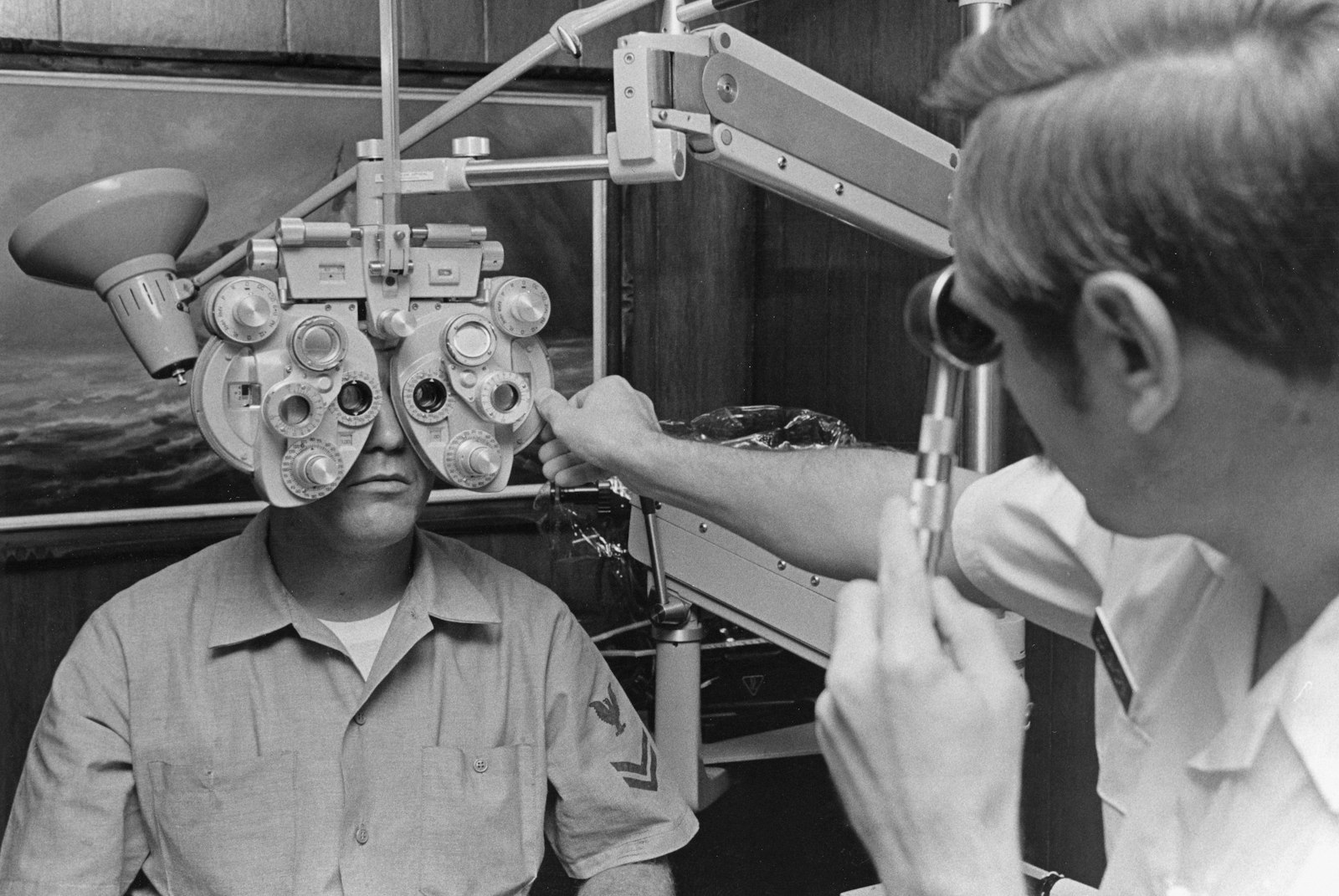
Cataracts are the world’s leading cause of blindness, and the history of treating them is long and fascinating. Over 20 million adults 40 and up in the US will develop cataracts, and by the time they reach 80, half of them will. Normally, the lenses in our eyes are filled with transparent prote...

Let’s go over a few eye safety facts before we all start playing in the water this summer! There’s nothing like an eye injury or infection to ruin a fun summer day, so make sure to follow these tips to protect your eyes will you enjoy the water, whether at a pool, a water park, or at a natura...
Fireworks are probably the most iconic part of every year’s Independence Day festivities. The danger with fireworks is that a lot of people forget that they are explosives, and that’s how they caused 12 deaths and ten thousand injuries in 2019 alone (mostly between mid-June and mid-July), acc...
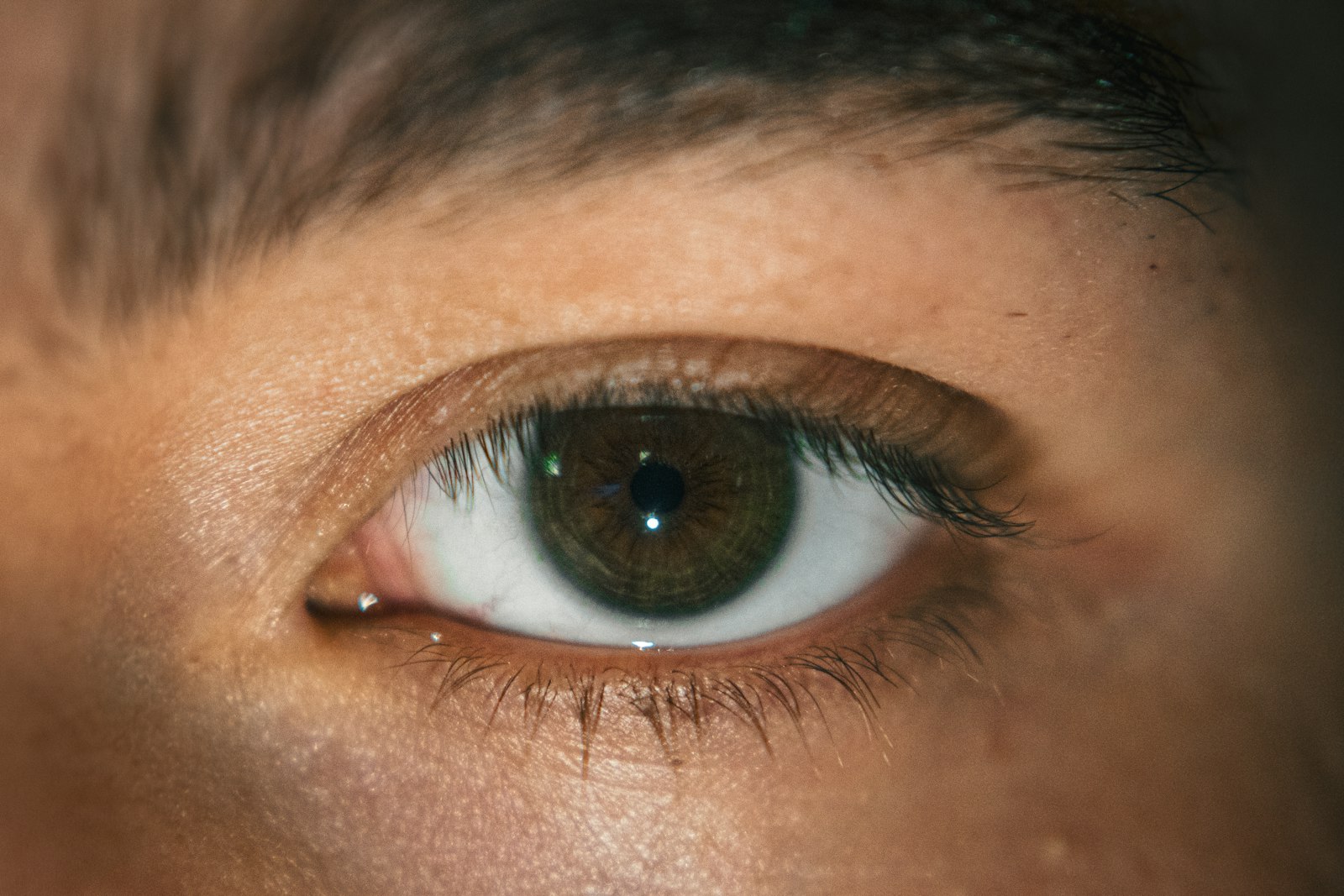
Have you ever seen a patch of shimmering light that widened until it filled your field of vision? If yes, then you may have had an ocular migraine. They’re usually not something to worry about, but they can be pretty alarming for someone who’s never had one before. The word “migraine” her...

Do you know how to find glasses frames that suit your features? The glasses you choose will be a huge part of the first impression you make on people. They’re a great way to show off your personal sense of style, but fashion isn’t the only factor to take into consideration. What Shape Is Your...
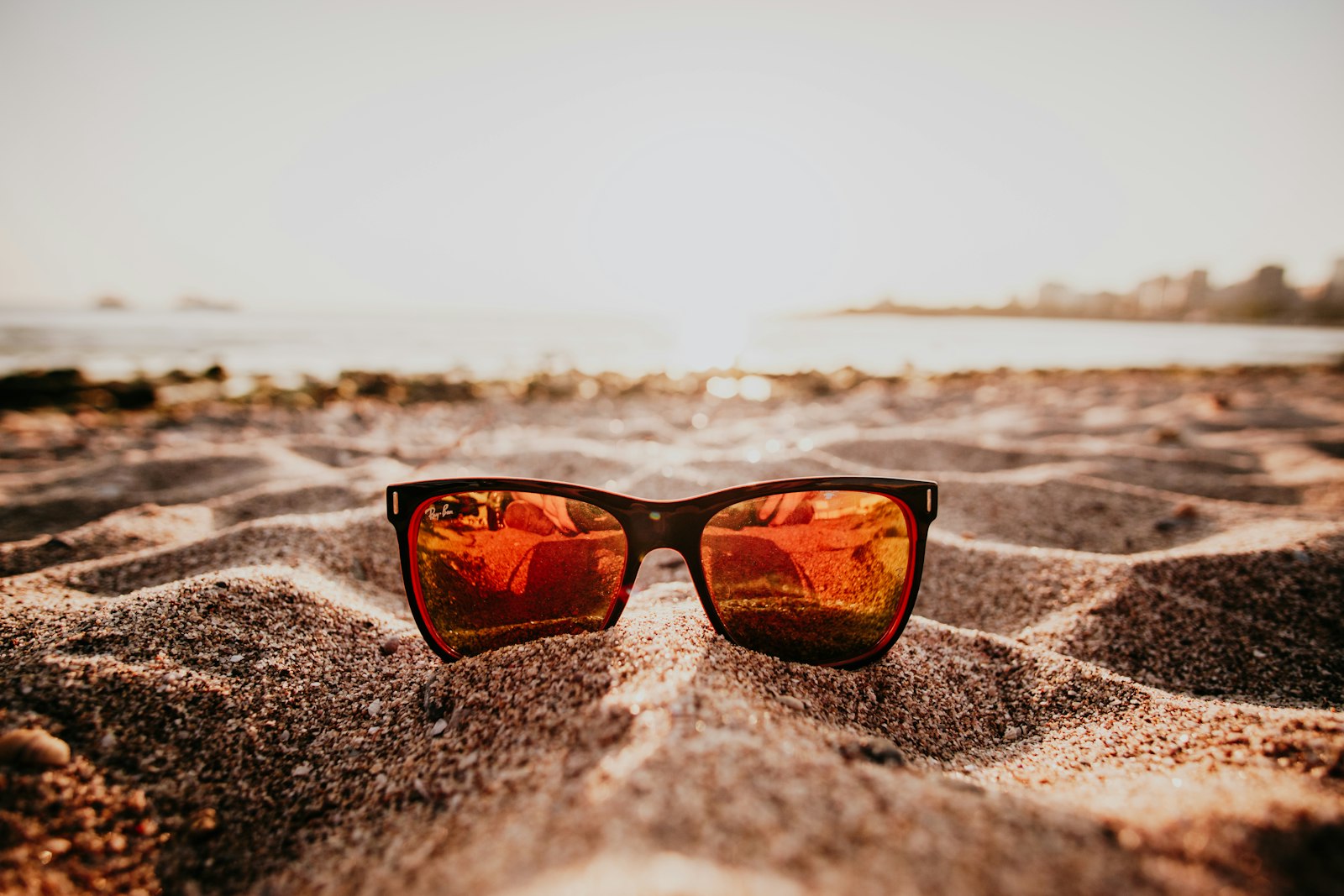
Summer is almost here; are you as excited as we are? A lot of us do more outdoor activities in the summer than in other seasons, and that exposes our eyes to more harmful UV rays than in the other seasons. This is why it’s so important that we have good, UV-blocking sunglasses to protect our ey...
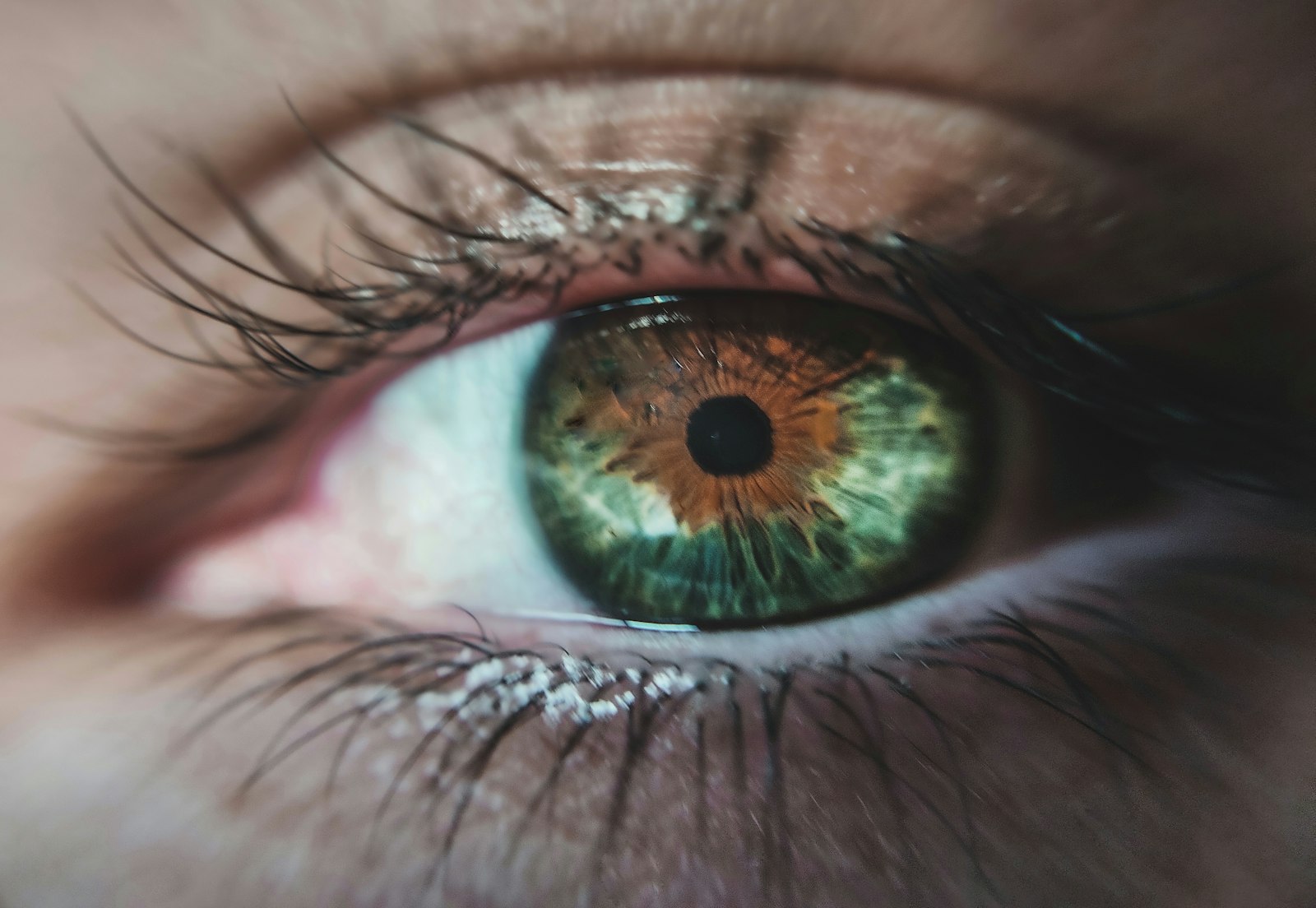
The human eye is amazingly complex. All inside something the size of a large marble, light waves are converted into continuous streams of detailed, accurate, moving images that we can understand and respond to. Our vision connects us to our surroundings more than any of our other senses and makes...
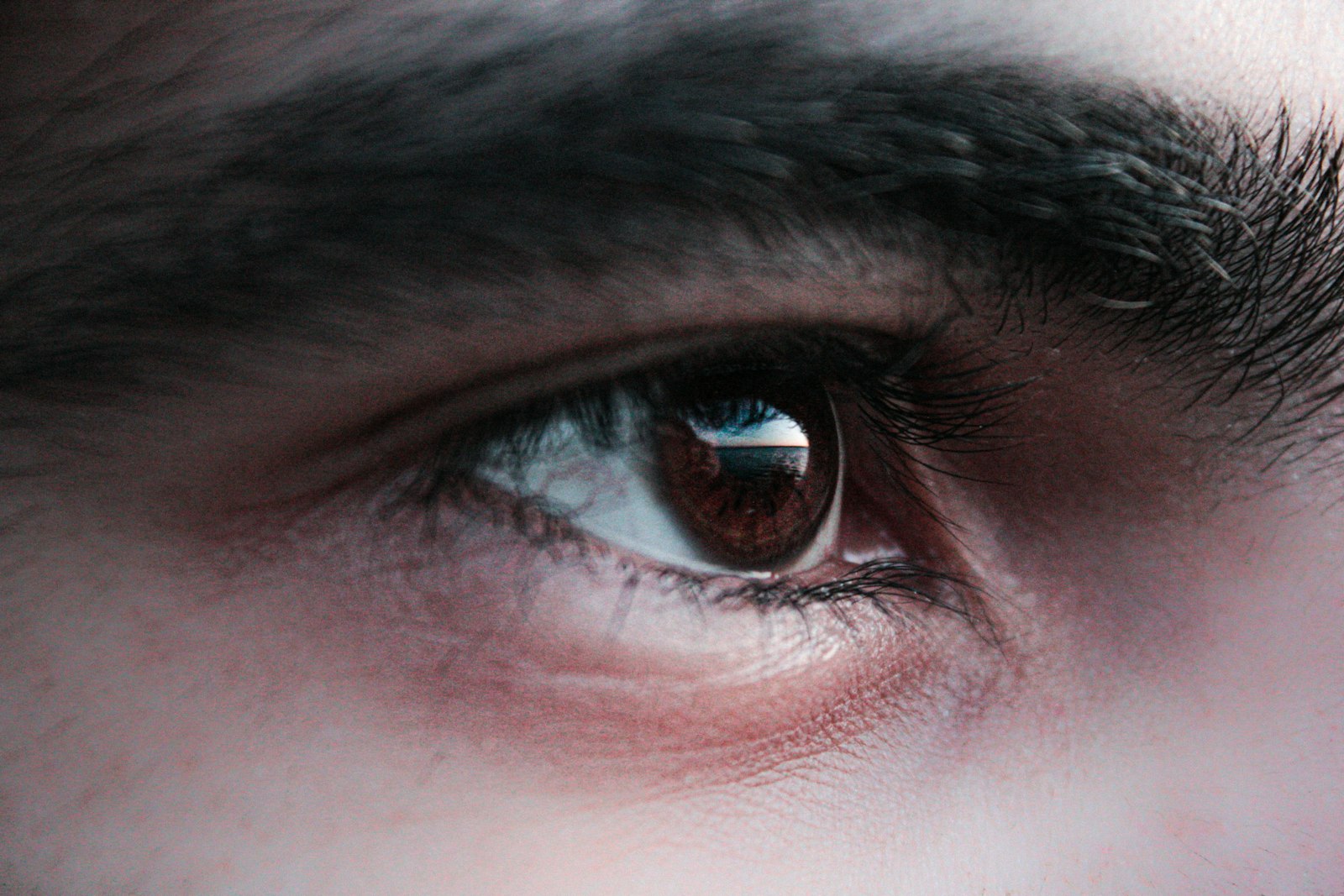
Men and women aren’t just different in the obvious ways; their eyes are different too! Women are more susceptible to many different eye diseases than men, but men have their own unique eye health concerns. What’s more, men and women don’t process visual information quite the same. How Men P...
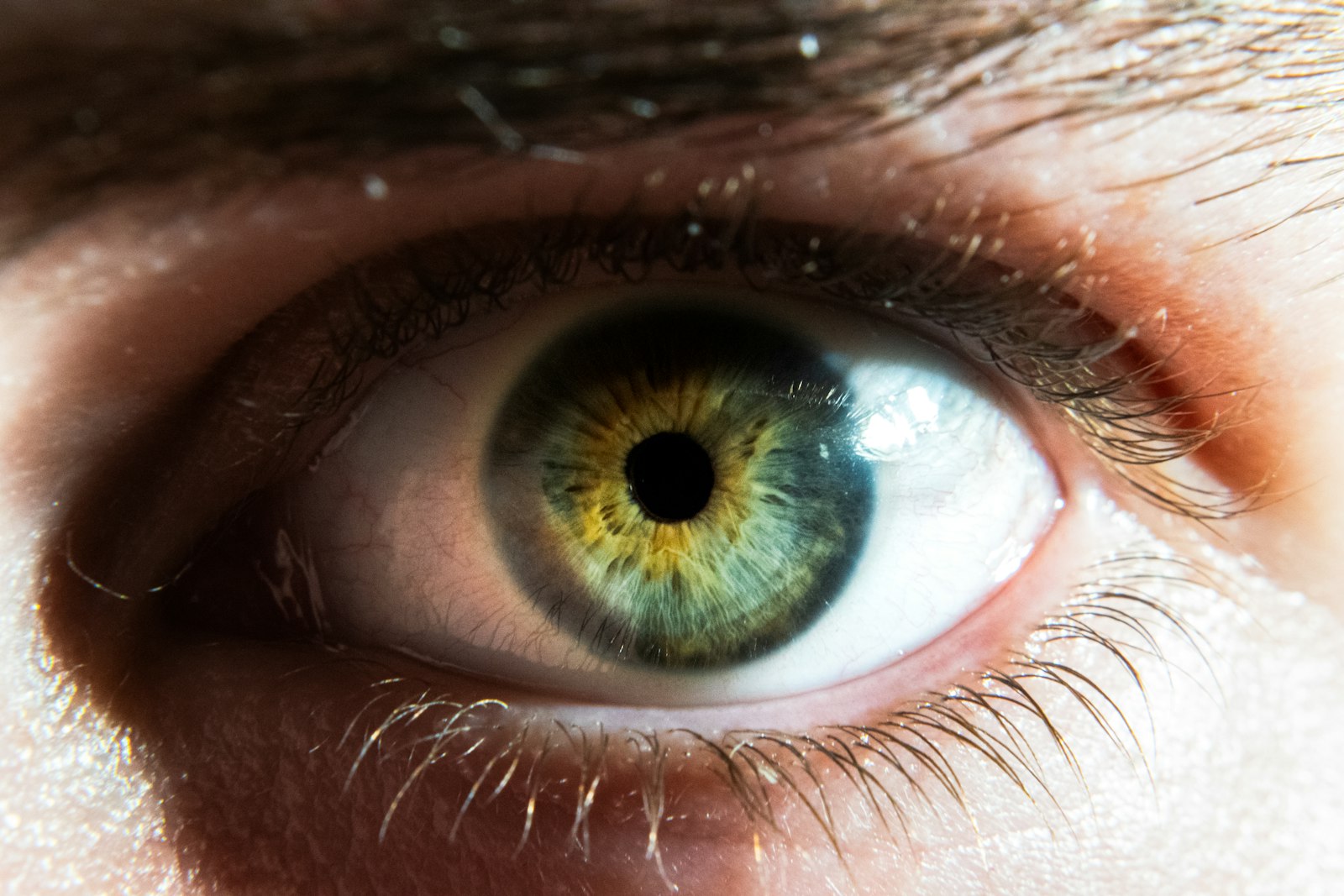
When we think of athletes, we probably think of speed and strength first, but what about vision? Strong visual skills are just as important to an athlete’s success as strong muscles. Athletes have to be able to process visual information very quickly so that they can respond to it. The cool thi...
When you think of the differences between men and women, vision and eye health probably aren’t on the list. By the time you finish reading this, they might be new additions, because women face many different eye health concerns over the course of their lives than men do. Women are more vulnerab...
When was the last time you rubbed your eyes? Most of us do it often enough that we might not even notice it every time it happens. Whether we’re tired, our eyes are dry or itchy, or we get something stuck in one of them, rubbing them is a quick and easy way to make them feel better — except i...
Nothing can ruin the beauty of spring quite so quickly as an allergy attack. What is it about the springtime that makes eyes turn red, itchy, and puffy? Is it only allergies? How can we tell when it’s something else? And, of course, what can we do to defeat seasonal allergies so that we can enj...
Blinking does a lot for the health and function of our eyes. Have you ever counted the number of times you blink in one minute? On average, adults blink between ten and twenty times per minute, and each blink lasts just a tenth of a second. We Blink to Keep Our Eyes Clean and Fresh With every bli...
Frequent headaches could be a symptom of an uncorrected vision problem. That’s right, if you experience a lot of headaches, it would be worth your time to schedule an eye exam. Not every headache is tied to a vision problem, and not all untreated vision problems result in headaches, but the con...
You might have heard that indoor tanning is a safe alternative to sunbathing, but that is false. A group of eye doctors, surgeons, dermatologists, and other physicians actually spoke to Congress in a briefing about the negative health effects of indoor tanning. The World Health Organization warns...
March is Workplace Eye Wellness month, so let’s celebrate by taking stock of a few ways to protect our eyes at work! This is going to mean very different things depending on what kind of job you have, whether you work from home or in an office, or you work at a worksite. That’s why we’re di...
Regular eye exams (from an optometrist, not an app) are critical for lifelong healthy vision. We’re celebrating Save Your Vision Month by devoting an entire blog post to the top reasons to put an eye exam on the calendar. How often they should happen will depend on your individual situation, bu...
Corrective lenses are such small things that make such enormous differences in our lives. Most people who wear glasses or contacts can remember what it was like the first time they were able to see individual blades of grass and leaves on trees after putting them on. It’s important to take good...
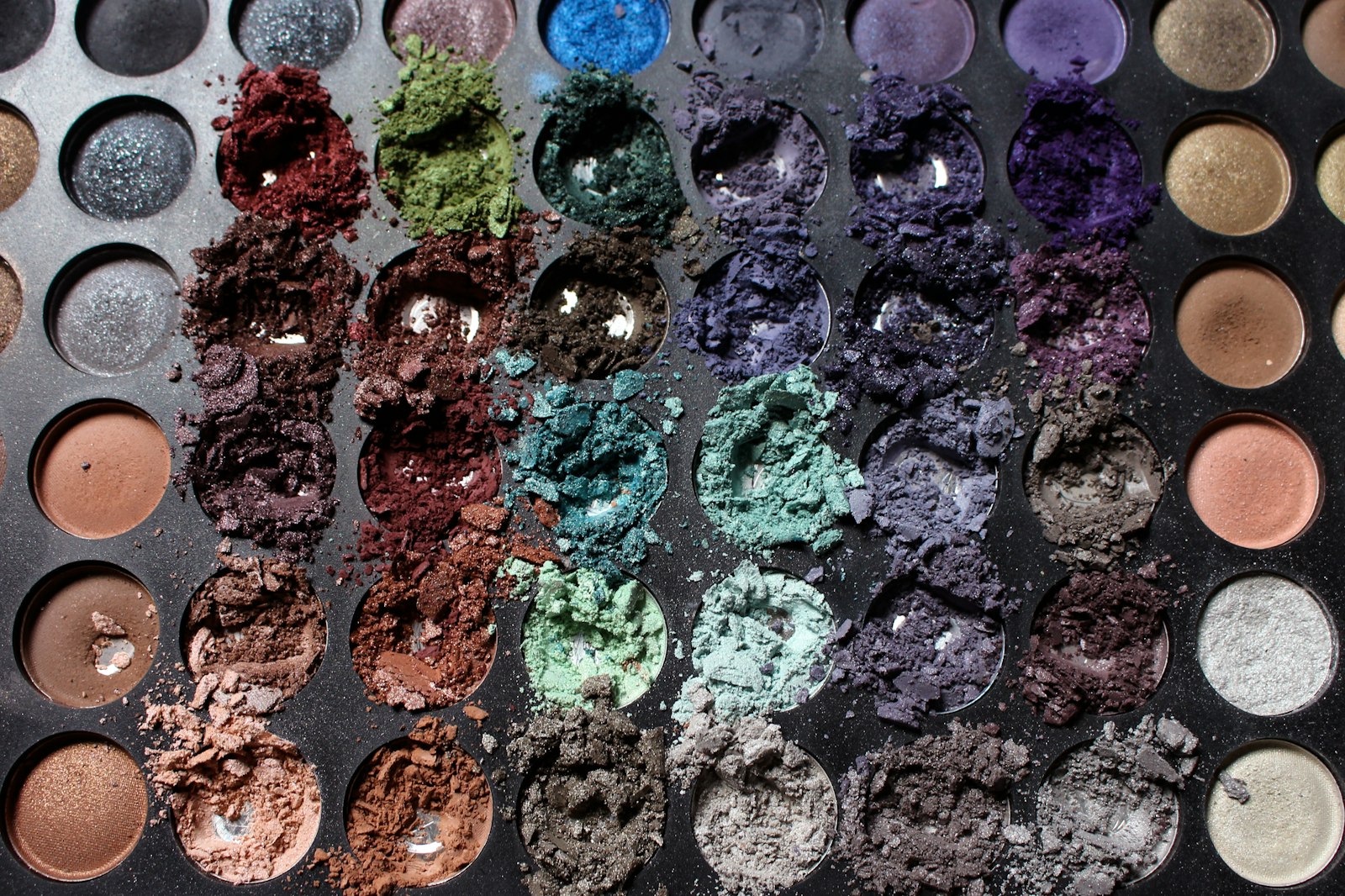
Being colorblind can mean a lot of different things, yet only in rare cases does it mean seeing in black and white. The technical term for complete color blindness is monochromacy, and it only affects one person in 33,000. Most people with a form of color blindness can see certain colors, but whi...
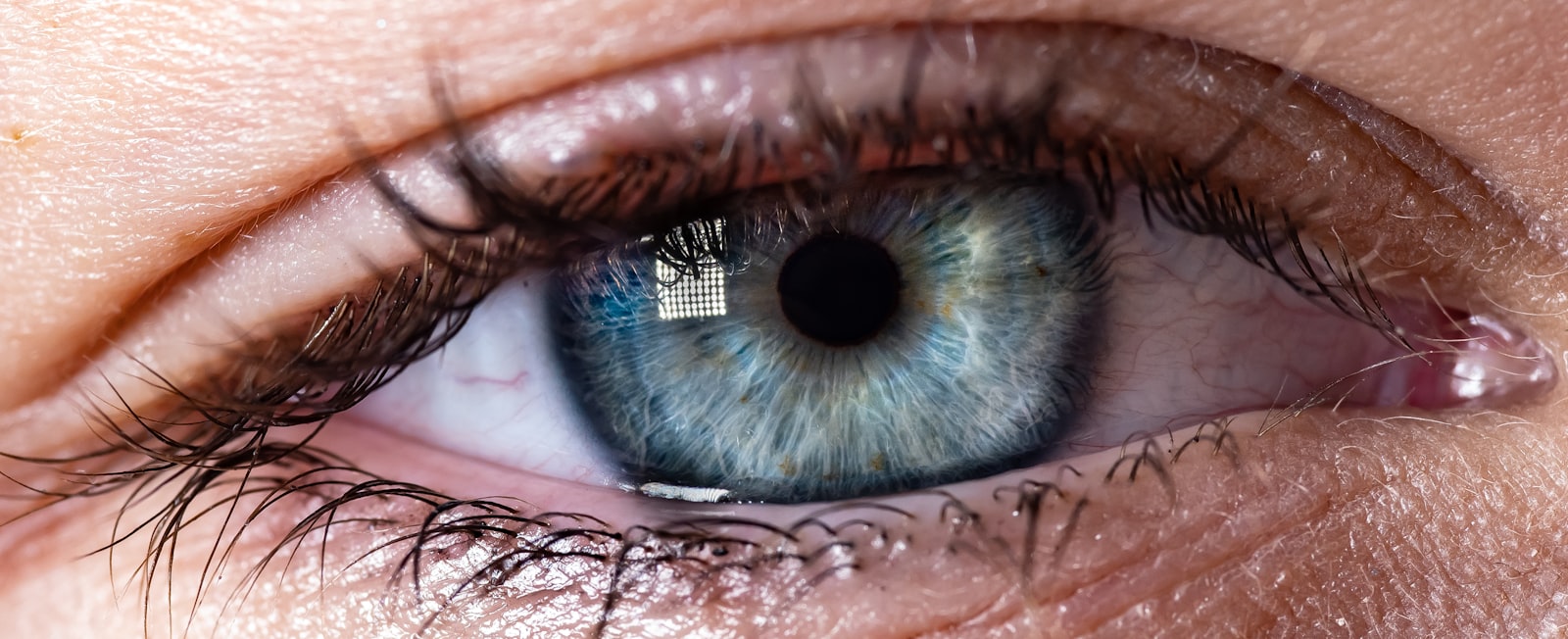
What’s the first thing you notice about a person when you meet them? Statistically, there’s a good chance it’s their eye color! A striking pair of eyes can really make an impression — and that goes double when they’re two different colors. The scientific term for having different colore...

Age-related macular degeneration (AMD) is a leading cause of irreversible vision loss for people over 50. What is AMD? It’s the gradual loss of central vision as the macula (the part of the retina where photoreceptor cells are most concentrated, giving us our detailed central vision) deteriorat...
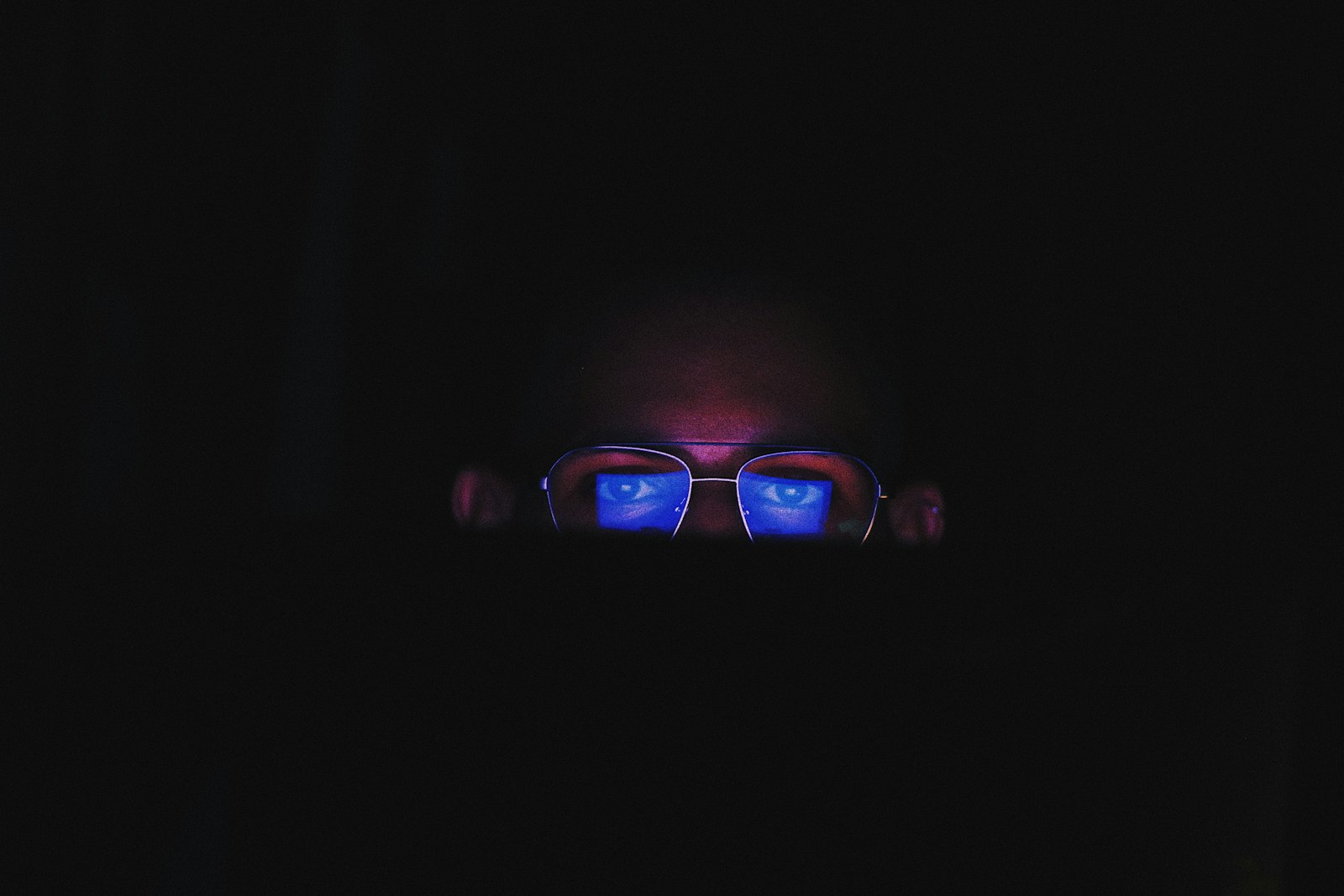
How big of a role does a bright screen play in your nightly routine? Since the advent of handheld devices that could access the internet, a lot of us have been browsing websites late into the night, our eyes glued to a bright little screen, making sure we haven’t missed any updates before we go...
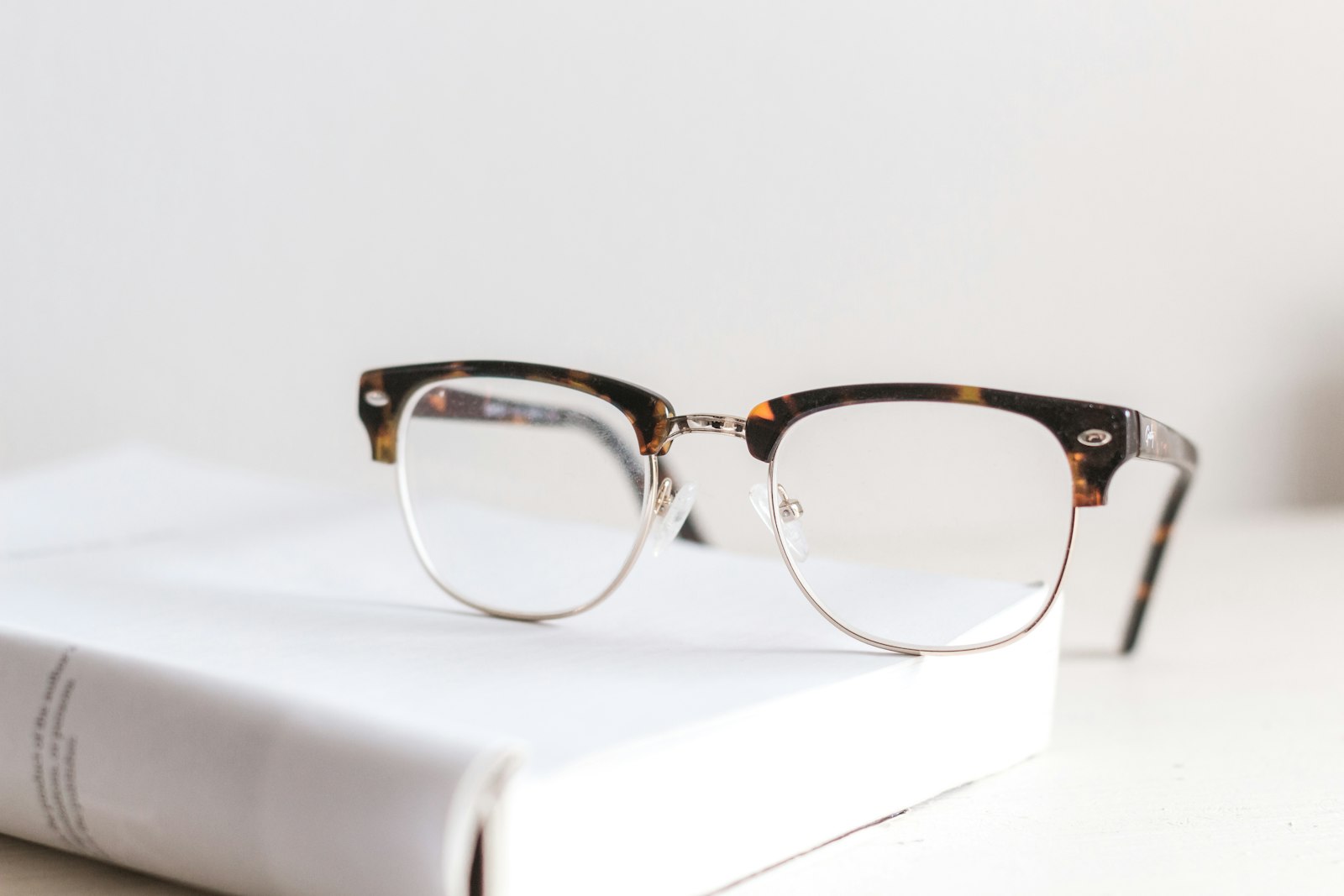
As we age, the lenses in our eyes gradually lose their flexibility. This process is called presbyopia, and it’s the main reason most seniors need reading glasses for up-close work. For those of us who already need glasses to correct nearsightedness, however, the solution is a little more comple...
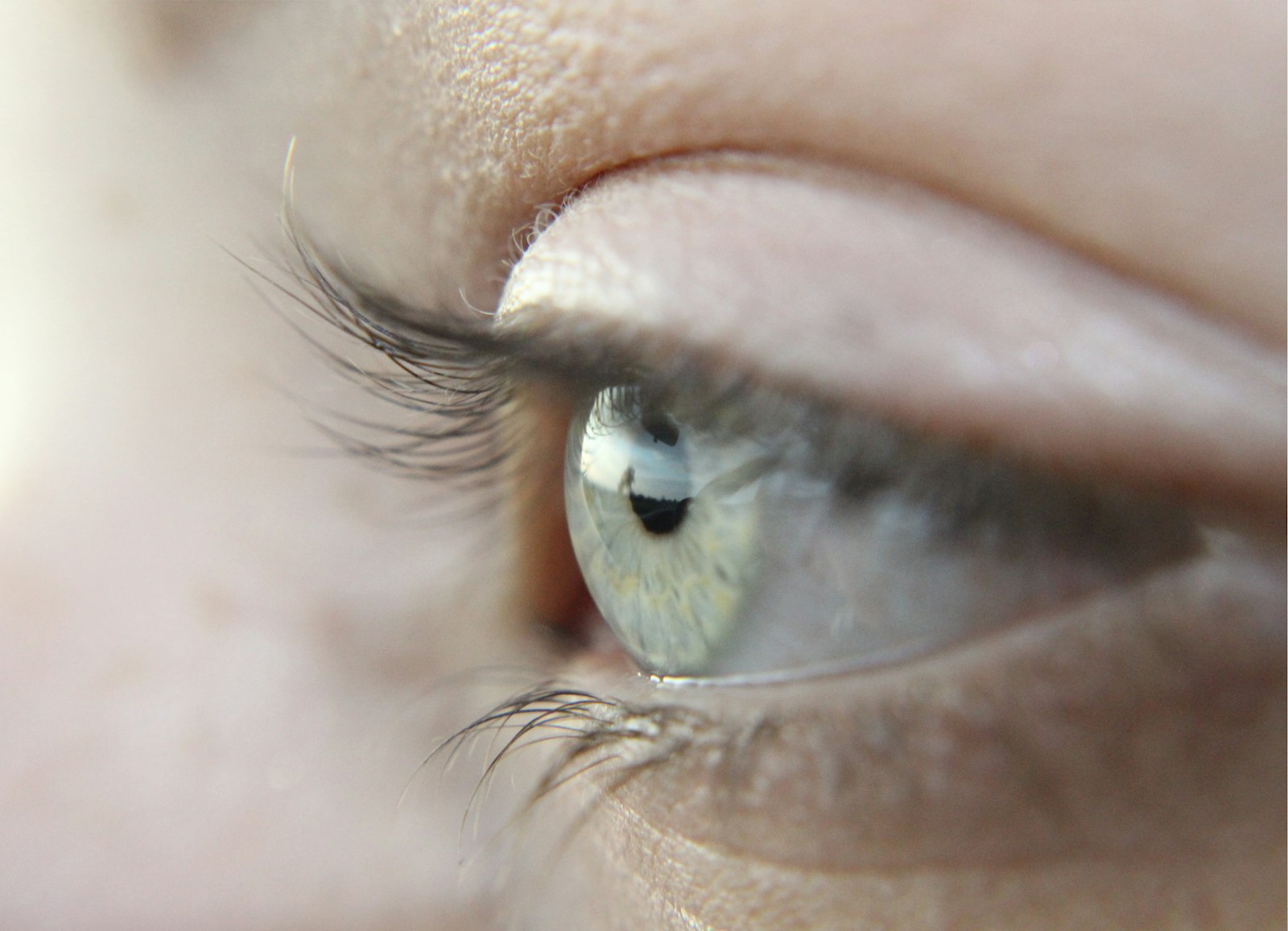
Having healthy eyesight is a critical component of maintaining a good quality of life. As many as one sixth of adults struggle with an eye condition that threatens their sight, and far more will experience a certain amount of vision loss as they get older. Some of the leading causes of low vision...
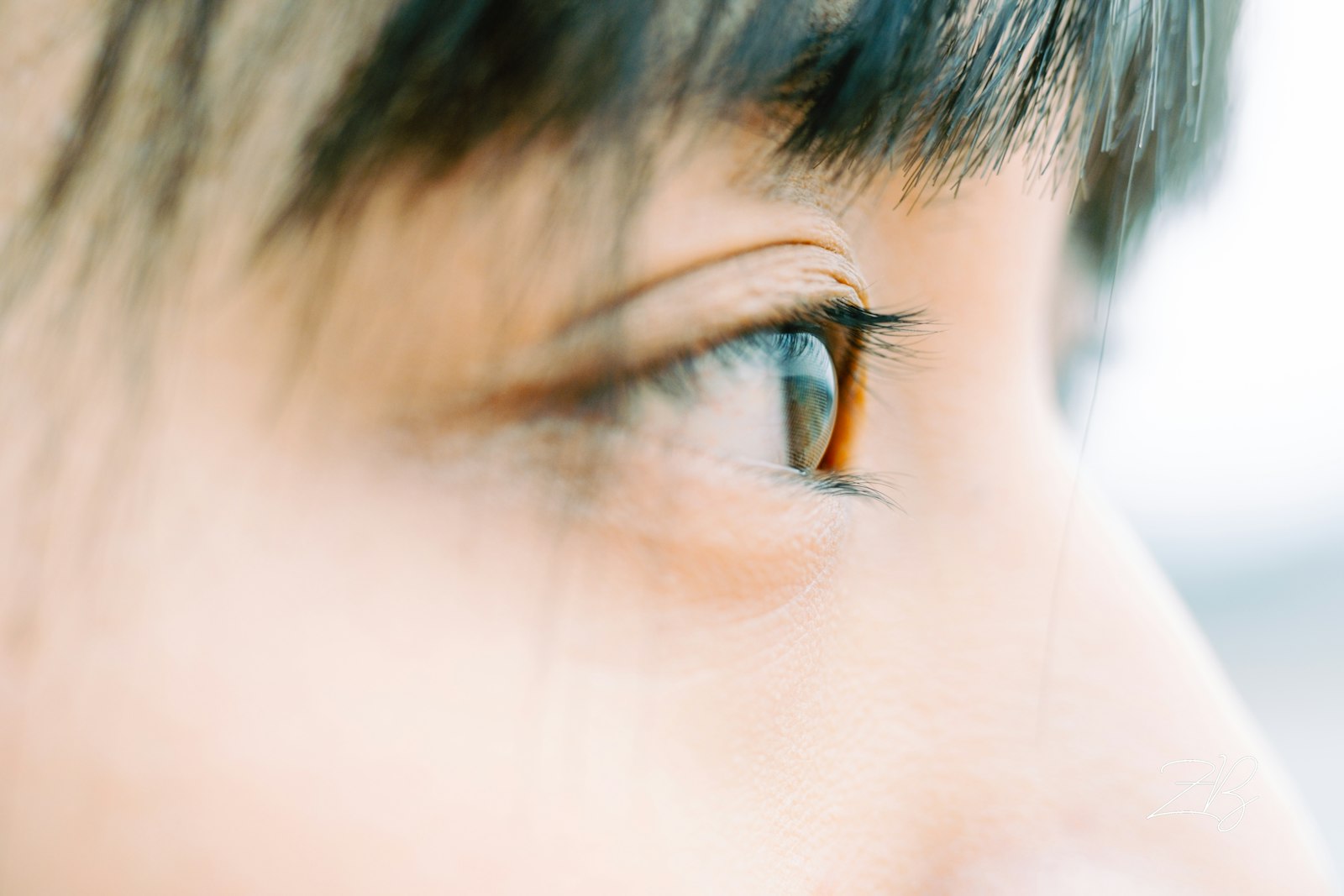
Human eyes are incredible — and incredibly complicated. The downside is that this means we can experience big problems with our vision health if just one thing goes wrong. One factor that might not seem obvious is the pressure of the fluid in the chambers of the eye. If it rises too much, it ca...
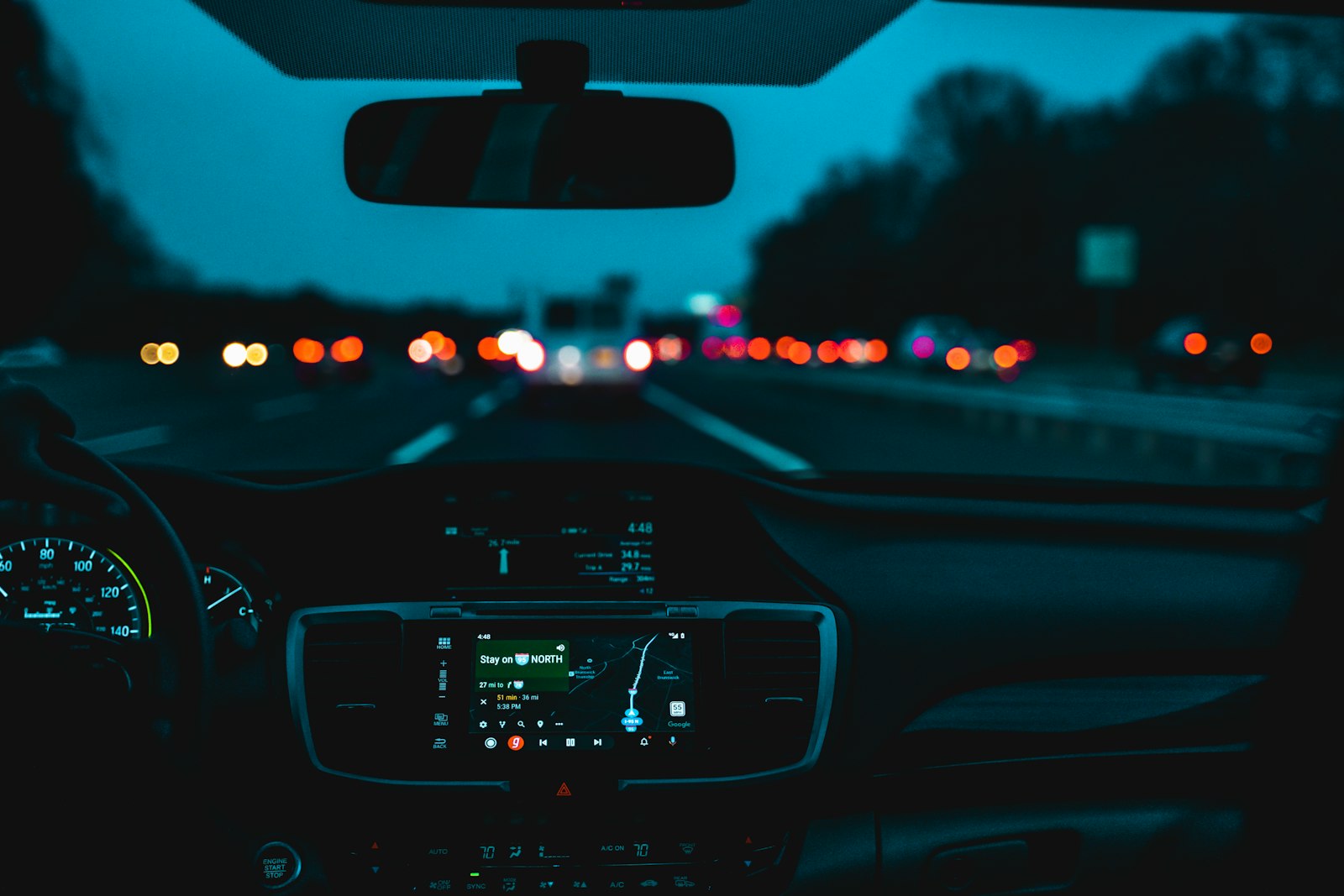
As much as we might want to avoid it, we tend to end up driving at night more often in winter. The days get shorter and the nights get longer, and driving in these winter months can be especially stressful for those of us with weak night vision. What can we do to make sure that we continue to dri...

Healthy eyesight is hugely important to a child’s development and education. As much as 80% of all learning is visual, and it’s estimated that more than half of childhood learning difficulties come from undiagnosed vision problems. What can parents do to ensure their kids don’t have to stru...
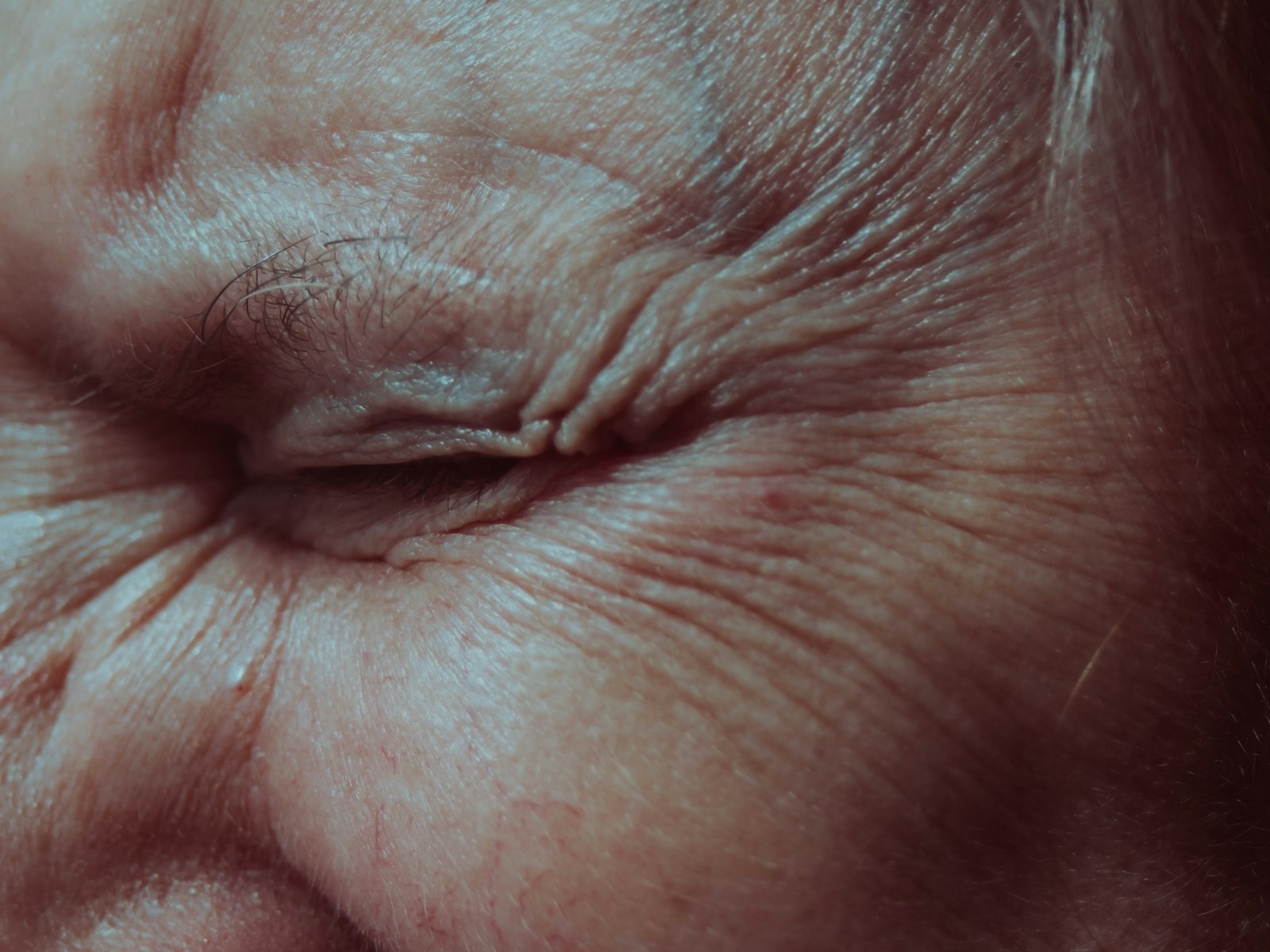
Aging affects us in all kinds of ways, and that includes our eyesight. In fact, age is the biggest risk factor for a number of chronic eye problems that can threaten our vision, which is why it’s so essential to be informed and stay on the lookout for signs of age-related vision loss. There’s...

It may seem strange, but sunglasses are just as important in winter as they are in summer. The same UV rays that give us sunburns on the beach are just as dangerous on a snowy mountain. Even if most of our skin is covered by thick layers of snow gear, our eyes can still be vulnerable without the ...
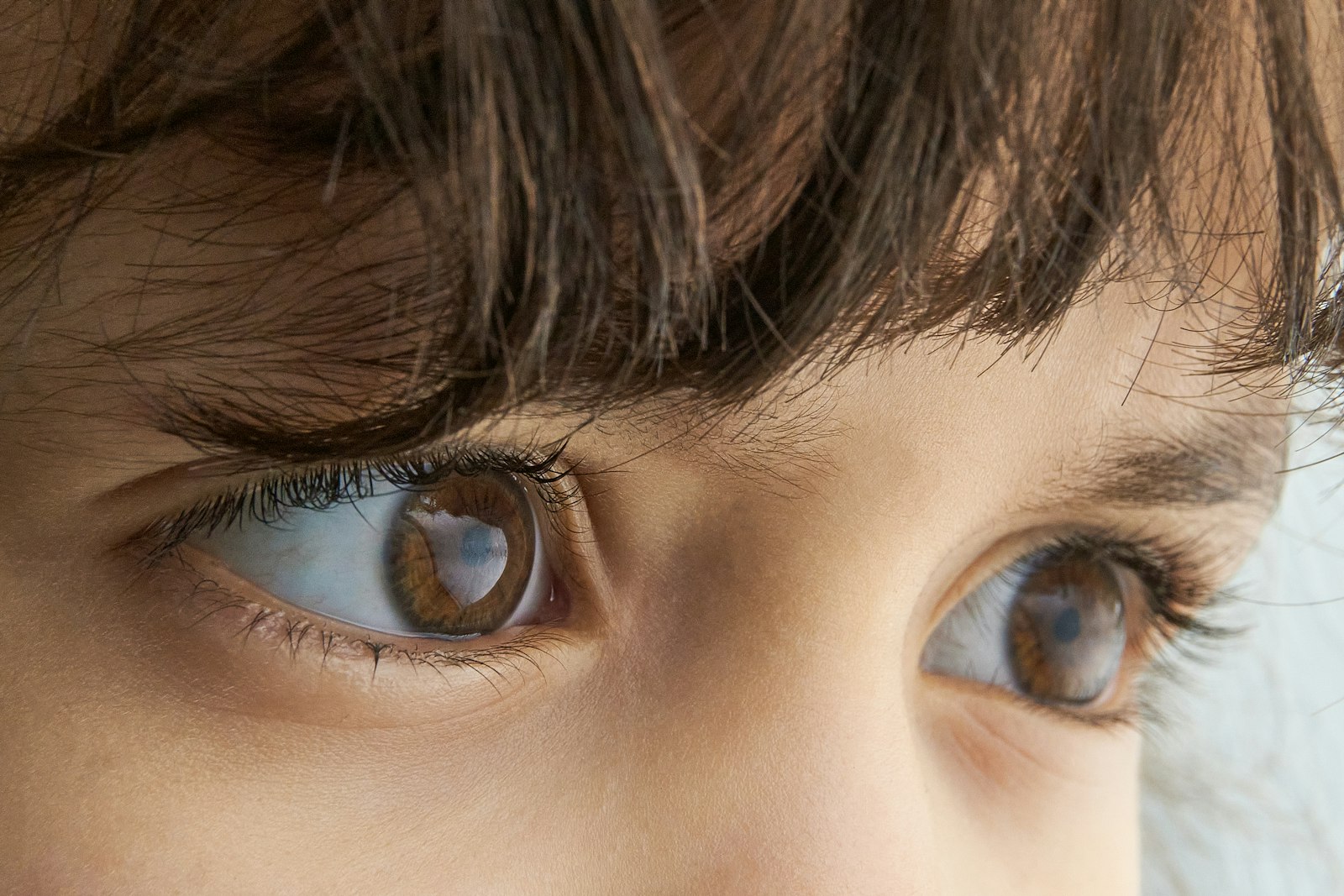
Seeing isn’t just something babies do automatically; they have to learn how first! Just like learning how to walk and talk, babies have to develop a number of visual skills in order to use their eyes effectively and understand what they’re looking at. It’s a process that parents can do a lo...

Smoking is harmful to every system in the body, including eyesight. Lung cancer is the risk we most commonly associate with a smoking habit, followed by oral health problems, but it doesn’t stop with the parts of the body the smoke comes in contact with. As eye doctors, we want to focus on how ...
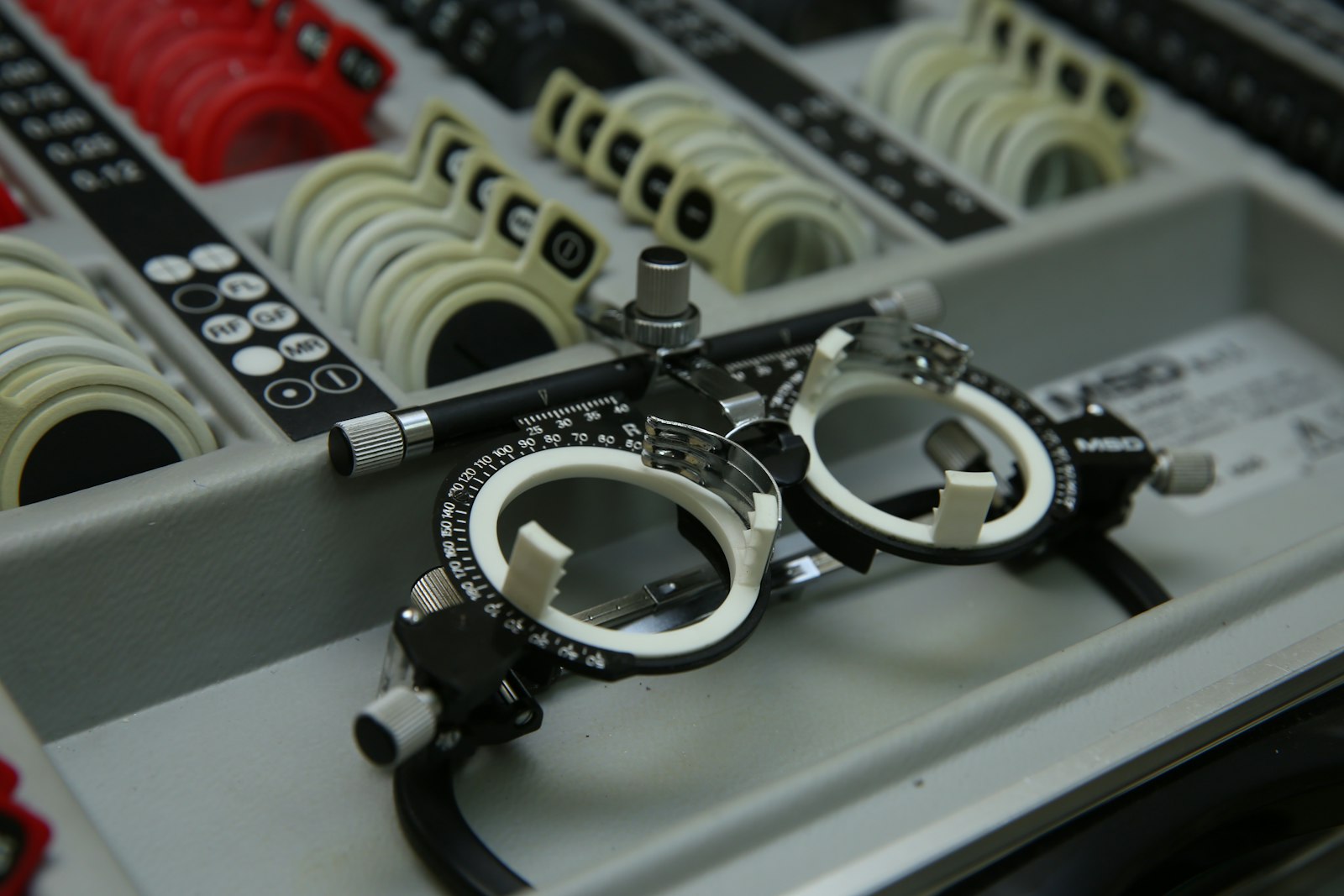
We hear a lot of the same questions from our patients, so let’s address them in an FAQ! You’d be surprised how many patients wonder the same things about eye health and optometry. If you’ve been too shy to ask one of these but have always wondered, you won’t have to anymore! 5. Is staring...


© 2026 Renaissance Eye Care. All rights Reserved. Accessibility Statement - Privacy Policy - Sitemap
Powered by:
