

Dry Eye Treatment Follow-Ups: How Your Progress Is Evaluated
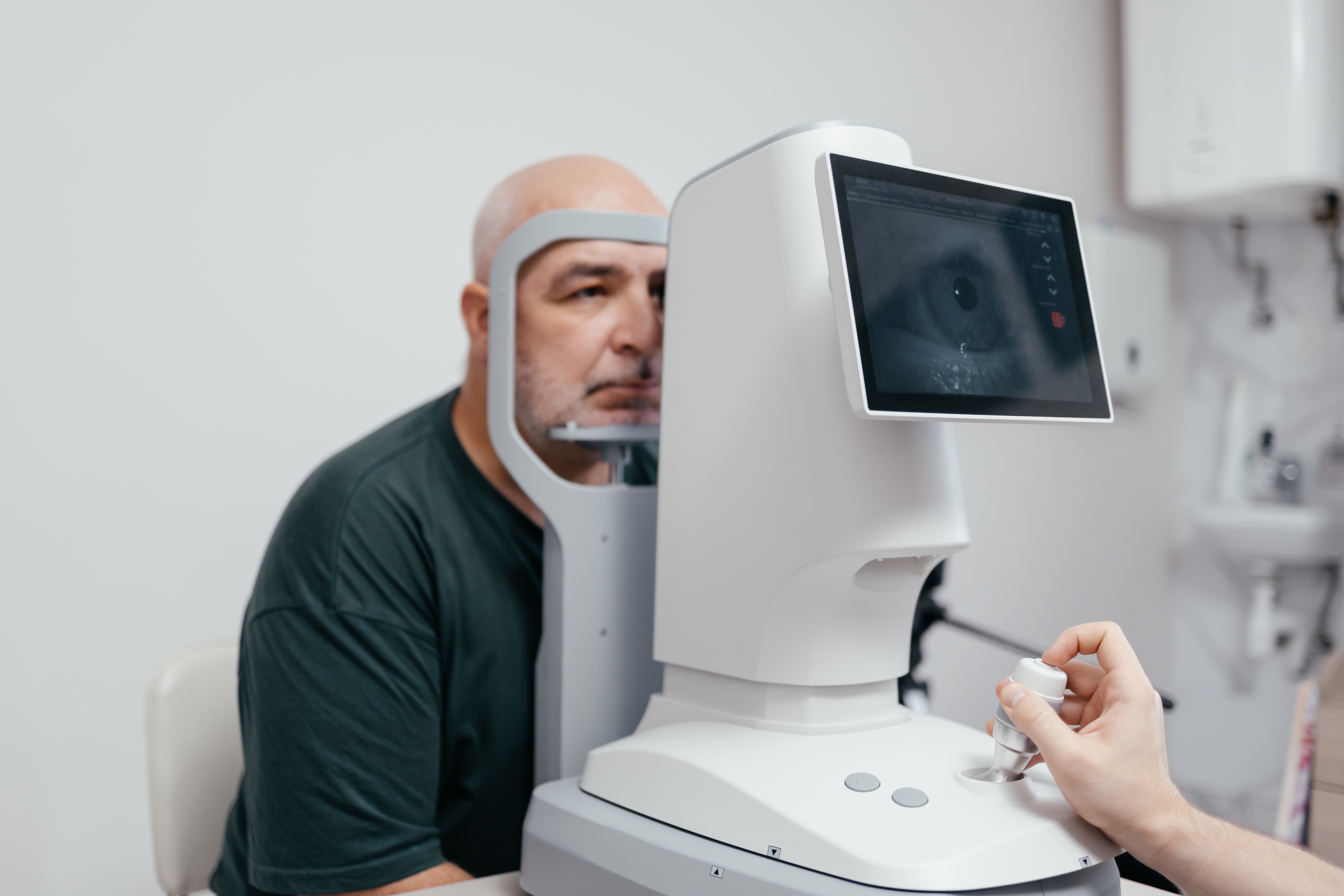
Starting dry eye treatment is an important step toward improving burning, grittiness, watering, redness, or fluctuating vision, but managing dry eye often requires more than one visit. Because symptoms and tear-film health can change over time, follow-up appointments help determine whether your current treatment is working and whether adjustments are needed.
At Renaissance Eye Care and the Dry Eye Center of the Shoals in Florence, we take a personalized approach to dry eye care and monitor how each patient responds over time.
Why Are Dry Eye Follow-Ups Important?
Dry eye can have several contributing factors. Some patients do not produce enough tears, while others experience excessive tear evaporation. Eyelid conditions, meibomian gland dysfunction, medications, contact lens wear, screen use, allergies, and environmental factors may also play a role.
Your initial evaluation provides a starting point. A follow-up allows us to compare how your eyes feel and function after you have been using the recommended treatment.
Dry eye is often a chronic condition, so the goal is usually ongoing control and improved comfort rather than assuming one treatment will permanently eliminate symptoms.
What Do We Ask About at Your Follow-Up?
How you feel between appointments provides valuable information. We may ask whether burning occurs less often, whether your eyes remain comfortable longer during the day, or whether certain situations still trigger symptoms.
During a follow-up in Florence, we may discuss:
Whether burning, stinging, or grittiness has improved
How frequently you still need artificial tears
Whether watering or redness has decreased
Changes in blurry or fluctuating vision
Contact lens comfort and wearing time
Whether screen use or certain environments still aggravate symptoms
Try to mention both improvements and ongoing problems. Even knowing what time of day symptoms return can help us understand how well treatment is working.
How Is the Eye Surface Rechecked?
Symptoms are important, but they do not tell us everything. During follow-up care, we can also reevaluate the tear film, eyelids, and surface of the eyes.
We may look for signs of continued irritation, inflammation, or tear-film instability. If meibomian gland dysfunction is contributing to evaporative dry eye, eyelid gland function may also need continued monitoring.
Comparing these findings with your earlier examination helps us determine whether the eye surface is improving even when symptoms have not completely disappeared.
Can Your Dry Eye Treatment Plan Change?
Yes. Dry eye treatment should be adjusted based on how your eyes respond.
Some Florence patients may begin with artificial tears, eyelid hygiene, warm compresses, or changes to daily habits. Others may require prescription therapies or more advanced dry eye care depending on their examination findings.
If one approach is providing only partial relief, that does not necessarily mean treatment has failed. It may mean another contributing factor needs to be addressed or that your current plan needs to be modified.
Environmental changes can matter too. Air conditioning, heating, increased screen use, allergy seasons, and medications can all influence symptoms over time.
What Should You Do Between Follow-Ups?
Follow your treatment plan consistently rather than stopping as soon as your eyes begin feeling better. Dry eye symptoms can return when recommended care is discontinued too early.
Keep track of changes in comfort, vision, and how often you need additional lubrication. This information can make your next visit more useful.
Significant eye pain, severe redness, strong light sensitivity, discharge, or sudden changes in vision should not wait for a scheduled dry eye follow-up. These symptoms require prompt evaluation.
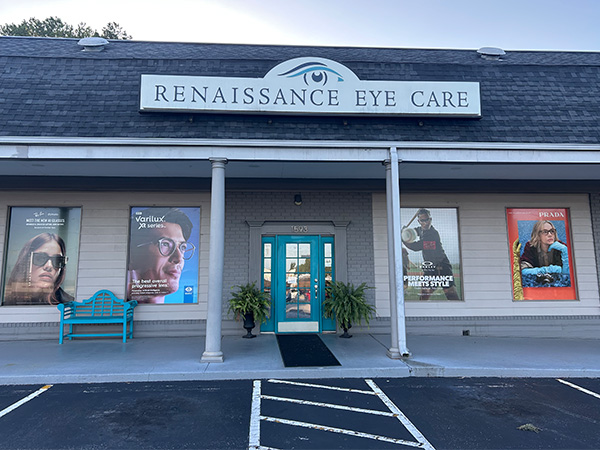
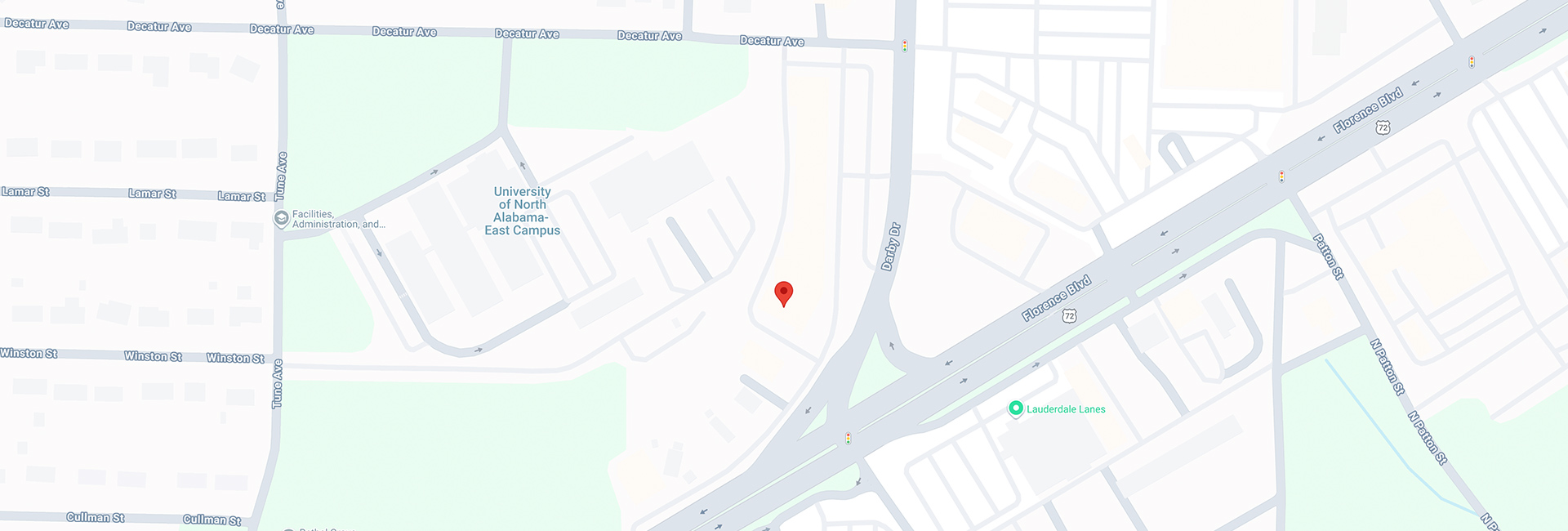
If you are currently receiving dry eye treatment or your symptoms are returning, contact Renaissance Eye Care at 1593 Darby Drive, Florence, AL 35630 by calling (256) 767-5000 to schedule a dry eye follow-up and evaluate your progress.


© 2026 Renaissance Eye Care. All rights Reserved. Accessibility Statement - Privacy Policy - Sitemap
Powered by:
