

Beyond Eye Drops: How OptiLight and OptiLift Treat Dry Eye at the Source
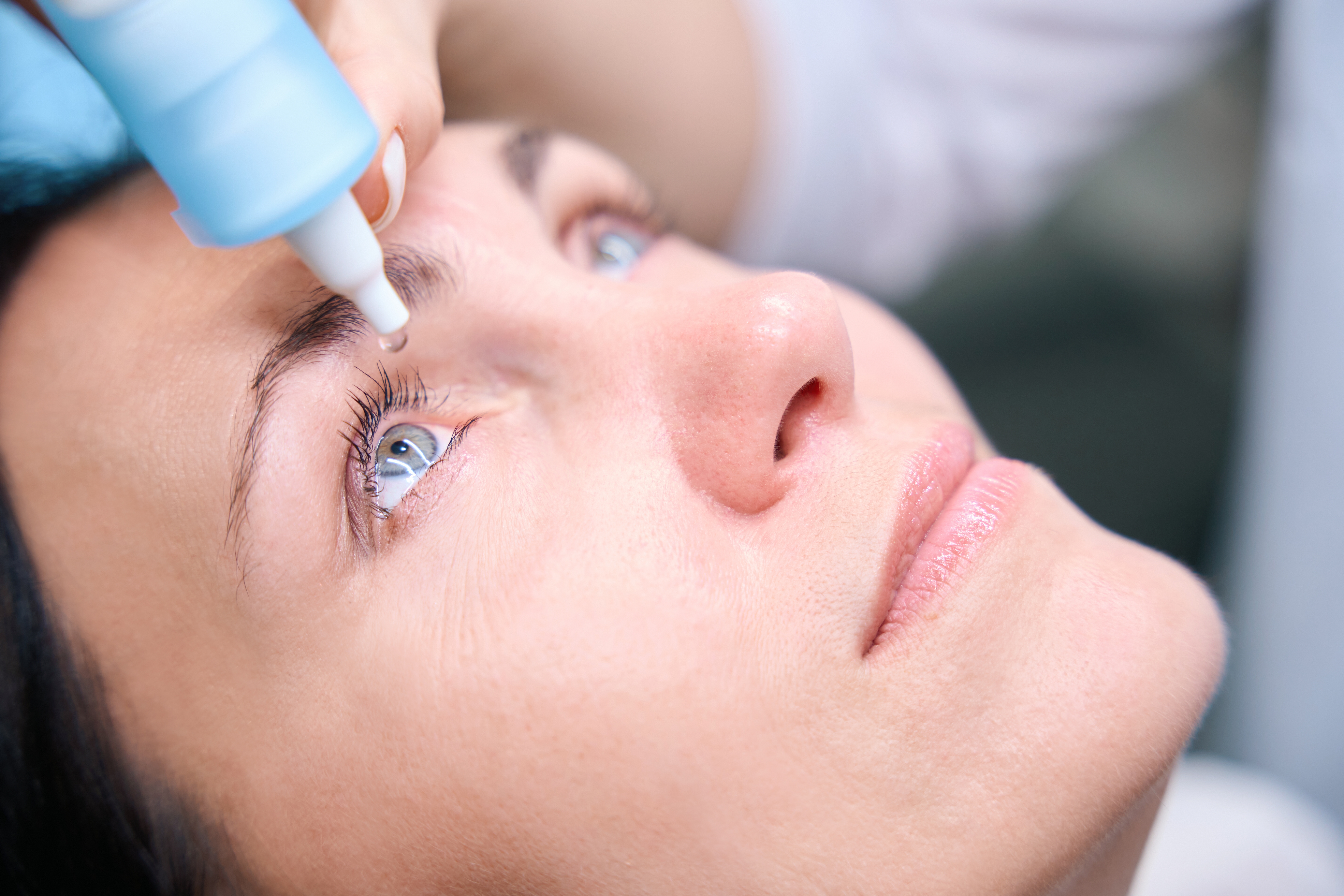
Dry, irritated eyes are often treated with artificial tears, but eye drops usually provide only temporary relief. When symptoms are caused by inflammation, blocked oil glands, or poor blinking, lasting improvement requires a treatment plan that addresses those underlying problems.
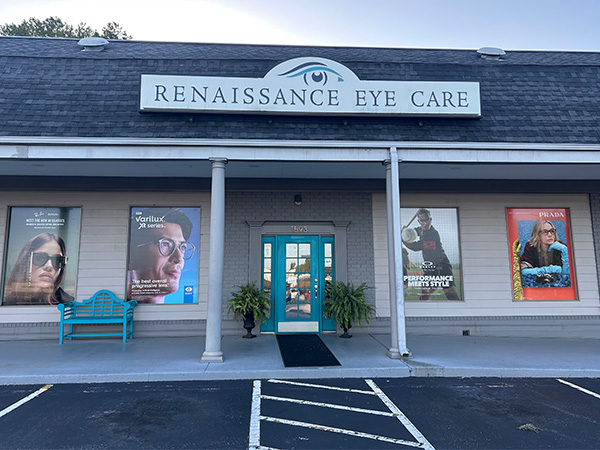
At Renaissance Eye Care in Florence, AL, our Dry Eye Center of The Shoals offers advanced dry eye treatments such as OptiLight and OptiLift. These non-surgical technologies target different factors that contribute to an unstable tear film, helping patients move beyond the repeated use of lubricating drops.
Why Eye Drops May Not Be Enough
Healthy tears contain water, oil, and mucus. The oil layer, produced by the meibomian glands along the eyelids, slows tear evaporation. When these glands become blocked or inflamed, tears evaporate too quickly. This common condition is known as meibomian gland dysfunction, or MGD.
Patients with MGD or other forms of dry eye may experience:
Burning, stinging, or gritty sensations
Redness or excessive tearing
Blurry or fluctuating vision
Sensitivity to light
Eye fatigue during screen use
Contact lens discomfort
Artificial tears add moisture to the eye, but they do not clear blocked glands, reduce underlying inflammation, or improve an incomplete blink. This is why symptoms often return soon after the drops wear off.
How OptiLight Treats Inflammation and MGD
OptiLight is a light-based treatment designed to improve signs of dry eye disease associated with meibomian gland dysfunction. The system applies controlled pulses of intense pulsed light to the skin below and around the eyes.
This light energy helps interrupt the cycle of inflammation that affects the eyelids and oil glands. Treatment may also improve the quality of the oils released by the meibomian glands, allowing the tear film to remain stable longer. OptiLight is the first IPL technology authorized by the FDA for managing signs of dry eye caused by MGD in appropriate adult patients.
A typical OptiLight session takes approximately 15 minutes. Treatment is often performed as a series of sessions and may be combined with gland expression, warm compresses, eye drops, or other therapies based on the patient’s needs.
How OptiLiftSupports Healthier Blinking
Blinking spreads tears across the surface of the eyes and helps release oil from the meibomian glands. However, weakened muscles and lower eyelid laxity may prevent the eyelids from closing completely.
OptiLift uses Dynamic Muscle Stimulation technology to activate and tone the muscles around the eyes. By supporting lower eyelid position and improving blink function, the treatment helps distribute tears more evenly and supports meibomian gland performance. It also offers a non-surgical approach for patients experiencing age-related changes around the lower eyelids.
Experience Advanced Care at Dry Eye Center of The Shoals
OptiLight and OptiLift treat different contributors to dry eye. Some patients benefit from inflammation-focused treatment, while others need support for blinking or eyelid function. A comprehensive dry eye evaluation at Dry Eye Center of The Shoals allows our team to examine your tear film, eyelids, oil glands, symptoms, and medical history before recommending care.
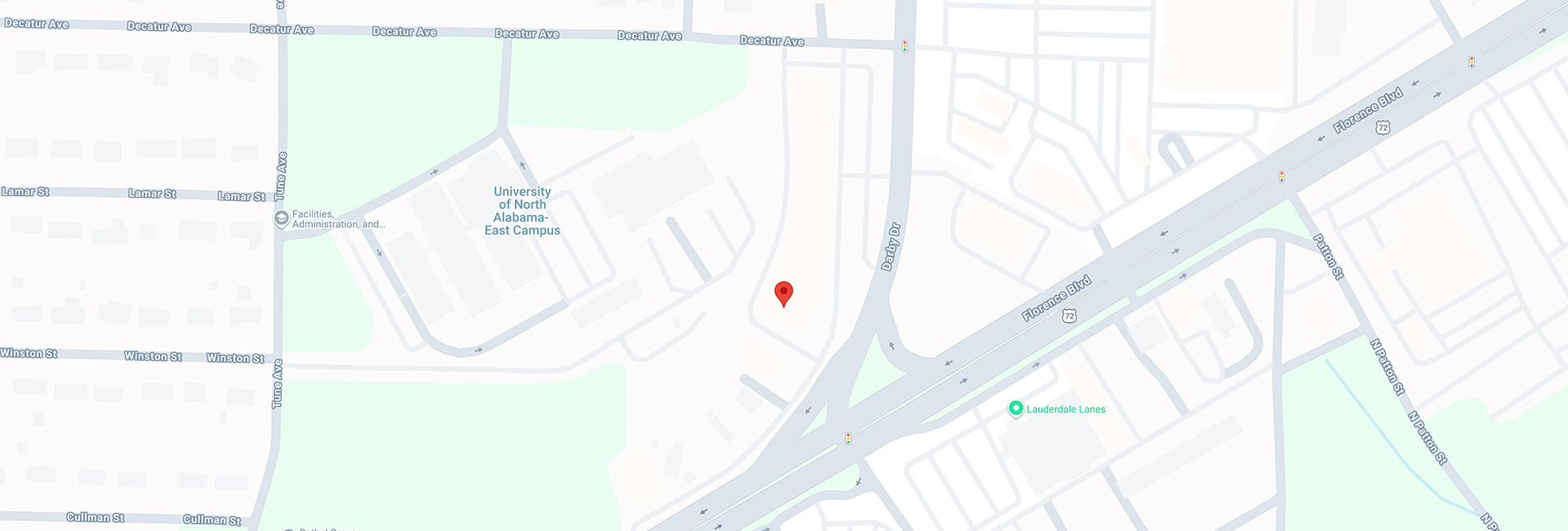
Schedule a dry eye evaluation with Renaissance Eye Care to learn whether OptiLight or OptiLift is right for your dry eye symptoms. Contact our office in Florence, AL, by calling256-767-5000 to book an appointment today.

© 2026 Renaissance Eye Care. All rights Reserved. Accessibility Statement - Privacy Policy - Sitemap
Powered by:
